
Flood Barriers NZ: How to Protect Your Property Before the Next Event
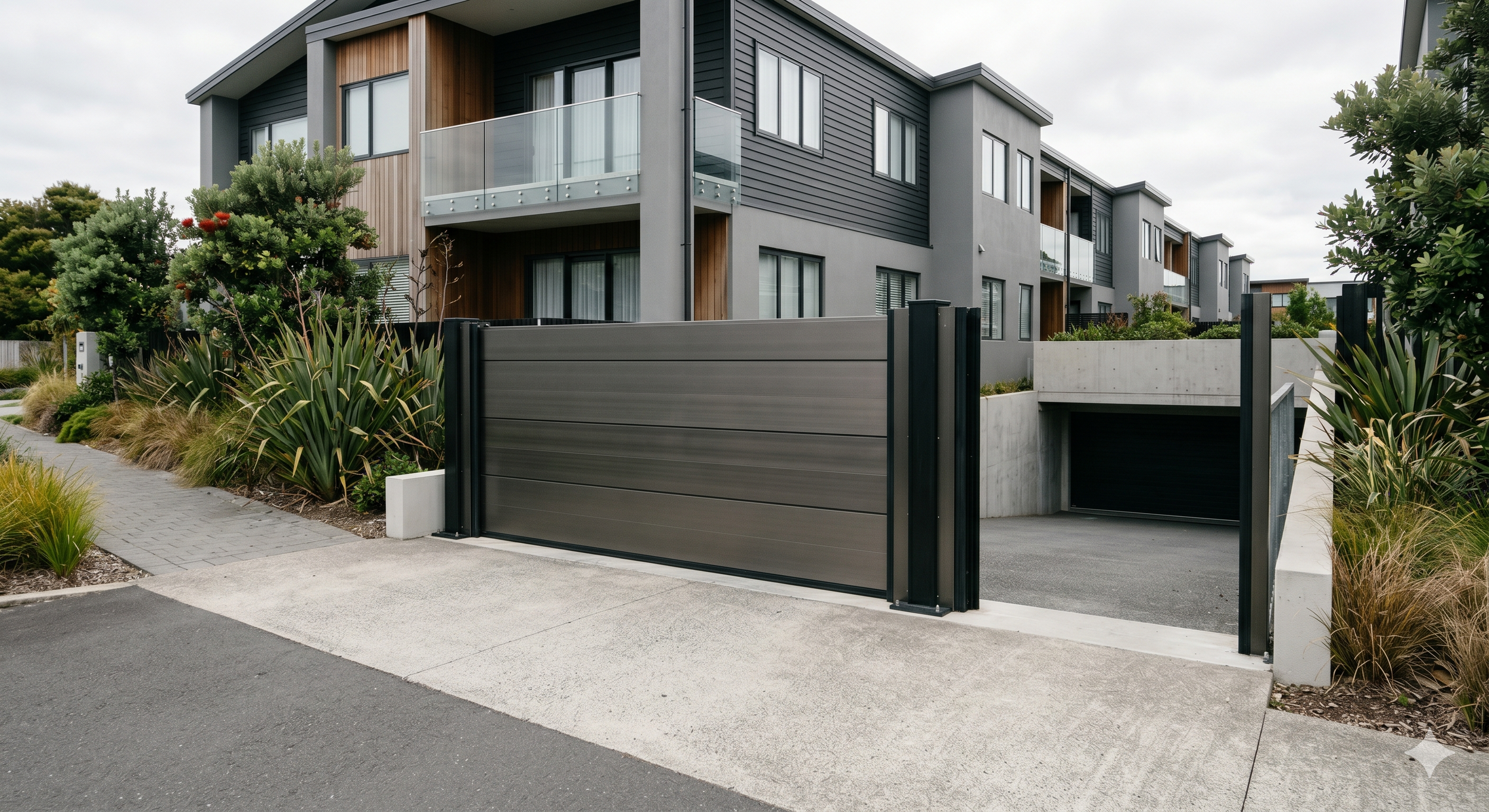
New Zealand's flood history has changed significantly in the last few years. The Auckland Anniversary Weekend floods in January 2023 and Cyclone Gabrielle a month later caused over $13 billion in damage across the country. For many property owners, those events were the first time flood risk felt personal.
The question for homeowners, businesses, and councils is no longer whether to take flood protection seriously. It's how to do it properly.
Why Temporary Measures Fall Short
Sandbags, inflatable barriers, and waterproof door seals have their place in emergency response. They're fast to deploy when a storm is already on its way.
But they're not a flood protection strategy.
Temporary measures rely on someone being present and organised enough to deploy them correctly under pressure. They degrade over time. They can fail at entry points that weren't anticipated. And they offer no protection for unattended properties, commercial sites operating outside business hours, or infrastructure that needs to stay dry regardless of who's on-site.
Permanent flood barriers change the equation. They're engineered, installed once, and ready every time.
What FloodFree Flood Barriers Are
FloodFree is a range of permanent flood barrier solutions designed for residential, commercial, and council applications. Watersmart supplies and installs the full FloodFree range across New Zealand.
The barriers are designed for real-world flood conditions. The range covers:
- Flood gates and flood doors for standard doorways and entry points
- Garage door flood barriers for one of the most common vulnerability points in residential properties
- Perimeter barrier systems for commercial buildings and infrastructure
- Backflow prevention to stop stormwater entering through drainage and other service connections during flood events
Each system is engineered to site-specific requirements. A residential garage door barrier has very different specs to a commercial perimeter system or a council infrastructure installation. FloodFree products are designed, manufactured, and installed to match the actual protection requirements of the site.
The design life is 25 years minimum. These are not off-the-shelf products installed by generalists. They're engineered flood protection solutions specified to the site.
The Vulnerability Points Most Properties Miss
Flood water doesn't only enter through the front door. The most common entry points that get overlooked:
Garage doors. Standard garage doors have almost no flood resistance. Water flows straight under and around them. A purpose-built flood barrier seals the gap and protects what's inside.
Drainage connections. When stormwater systems surcharge during heavy rain, water can push back up through floor drains, toilets, and laundry taps. Backflow prevention devices stop this from happening.
Air vents and subfloor access points. Low-set homes and commercial buildings with subfloor ventilation can allow water to pool beneath the structure even when above-floor entry points are protected.
Multiple entry points acting together. A flood door on the front entrance is only effective if every other ground-level entry point is also sealed. Flood protection needs to work as a system, not a single isolated fix.
Who FloodFree Is For
Homeowners in flood-prone areas. Properties in low-lying suburbs, near waterways, or on sites that have flooded before. Auckland, the Hawke's Bay, Canterbury, and towns across NZ all have residential areas with documented flood exposure.
Commercial property owners and operators. Flooding causes business interruption, stock loss, and equipment damage on top of structural repair costs. Permanent flood barriers significantly reduce downtime and recovery costs for businesses operating in at-risk locations.
Property developers. New developments in flood management areas often require flood protection as a consent condition. Specifying permanent barriers early in the design process is faster and cheaper than retrofitting.
Councils and infrastructure operators. Pump stations, substations, water treatment facilities, and community buildings require protection that works reliably without manual deployment.
What the Installation Process Looks Like
Watersmart handles the full process from assessment through to installation.
The first step is a site assessment to identify all vulnerable entry points and measure protection requirements against the relevant flood event (typically the 1-in-100-year event for residential, higher for critical infrastructure).
From there, Watersmart's engineers specify the appropriate FloodFree products for each entry point, coordinate the consent process where required, and carry out the installation.
Post-installation, the team provides a handover to make sure whoever is responsible for the property understands how each barrier works and what (if any) annual maintenance is required.
Getting Started
Flood protection is most straightforward when it's planned ahead of a flood event rather than responded to after one. The cost of a site assessment and installation is a fraction of the cost of flood damage, business interruption, or having to redo work that wasn't done properly the first time.
Watersmart provides flood barrier assessments and installations across New Zealand. Contact the team to discuss your property's requirements.
