Porous Lane Case Study: Blair Park, Auckland
Project Overview
Client: Auckland Council (Project delivered via Ventia)
Location: Blair Park, Devonport, Auckland, New Zealand
Solution: Footpath upgrade with Porous Lane
Project Description
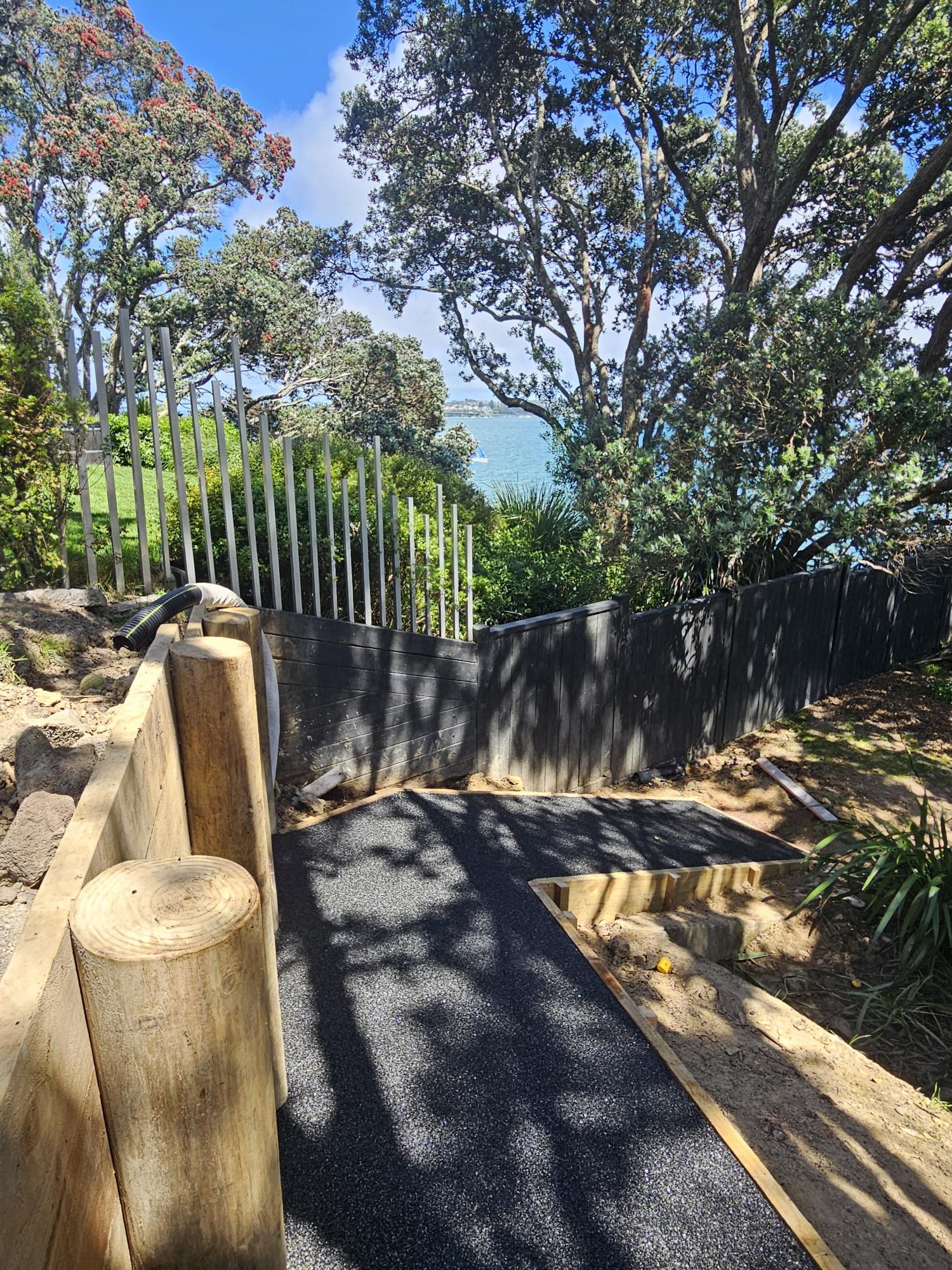
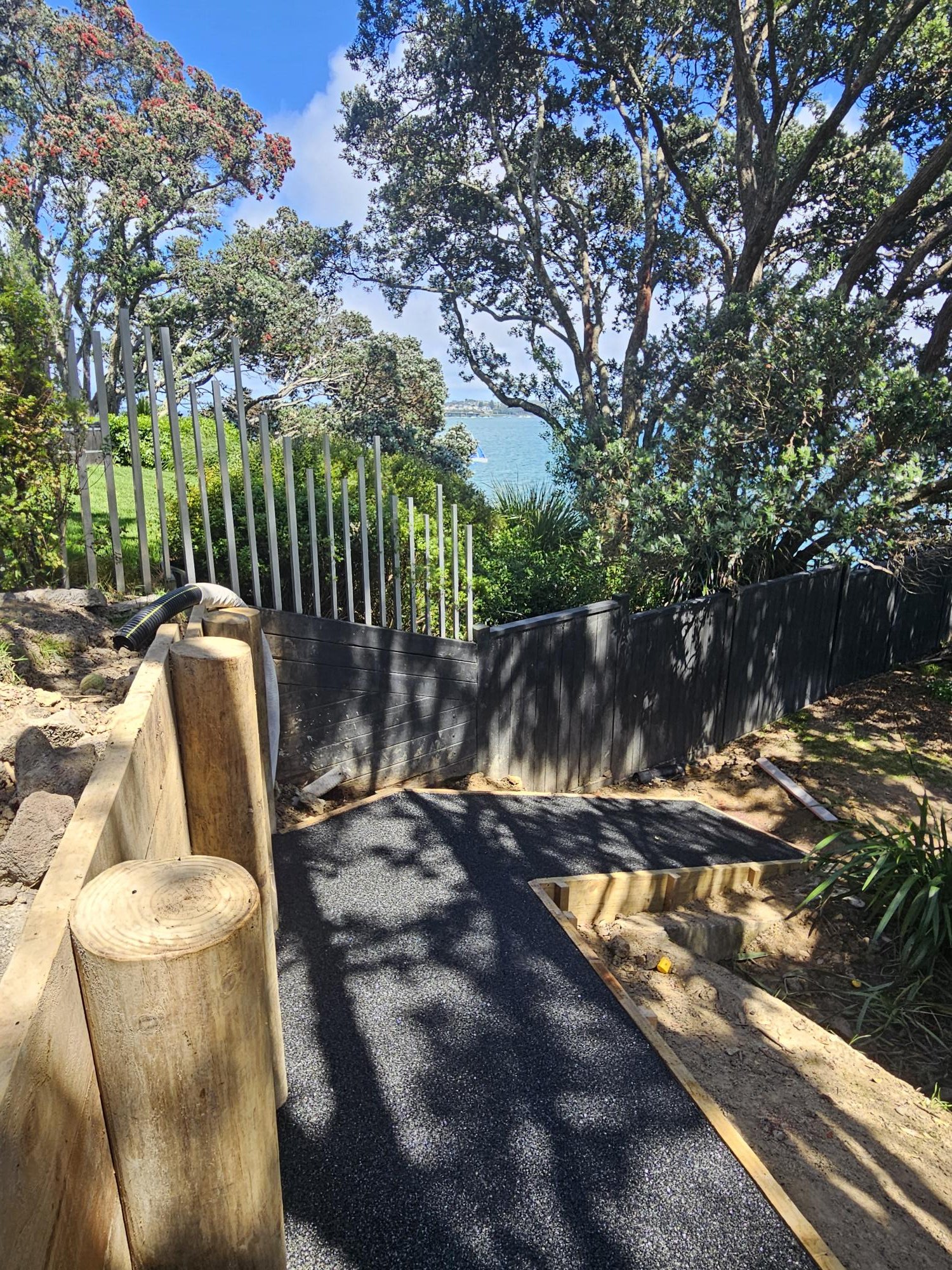
This Auckland Council project was delivered by Ventia, who are leading the way in integrating low-carbon, sustainable materials into public works. Ventia introduced Porous Lane as an alternative to a traditional timber boardwalk and tree root bridging detail to improve long-term performance, reduce environmental impact, and enhance safety for users on a steep, tree-sensitive slope. Watersmart was engaged to support the delivery of this solution.
Value of the Project
Small-scale footpath installation
Environmental value: Equivalent of approximately 30 recycled car tyres reused in the pavement
Cost savings achieved by replacing a timber boardwalk and traditional tree root bridging detail – approximately $3,000 in savings
Watersmart Role and Products
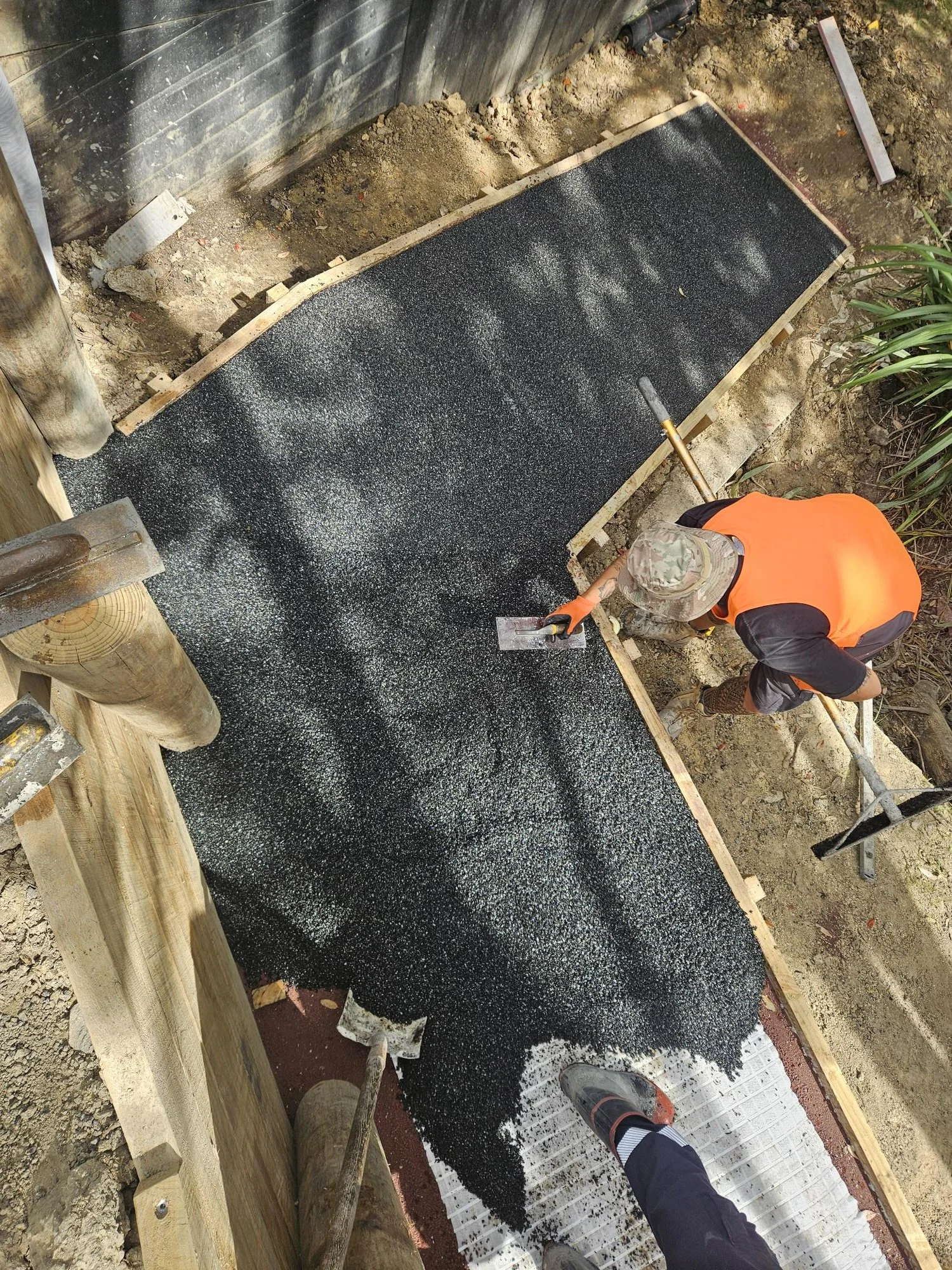
Watersmart supplied Porous Lane permeable pavement as a sustainable alternative to a timber boardwalk. The solution was selected for its high permeability, shallow footprint, durability, and safety performance while being low maintenance and more cost-effective.
Why Porous Lane
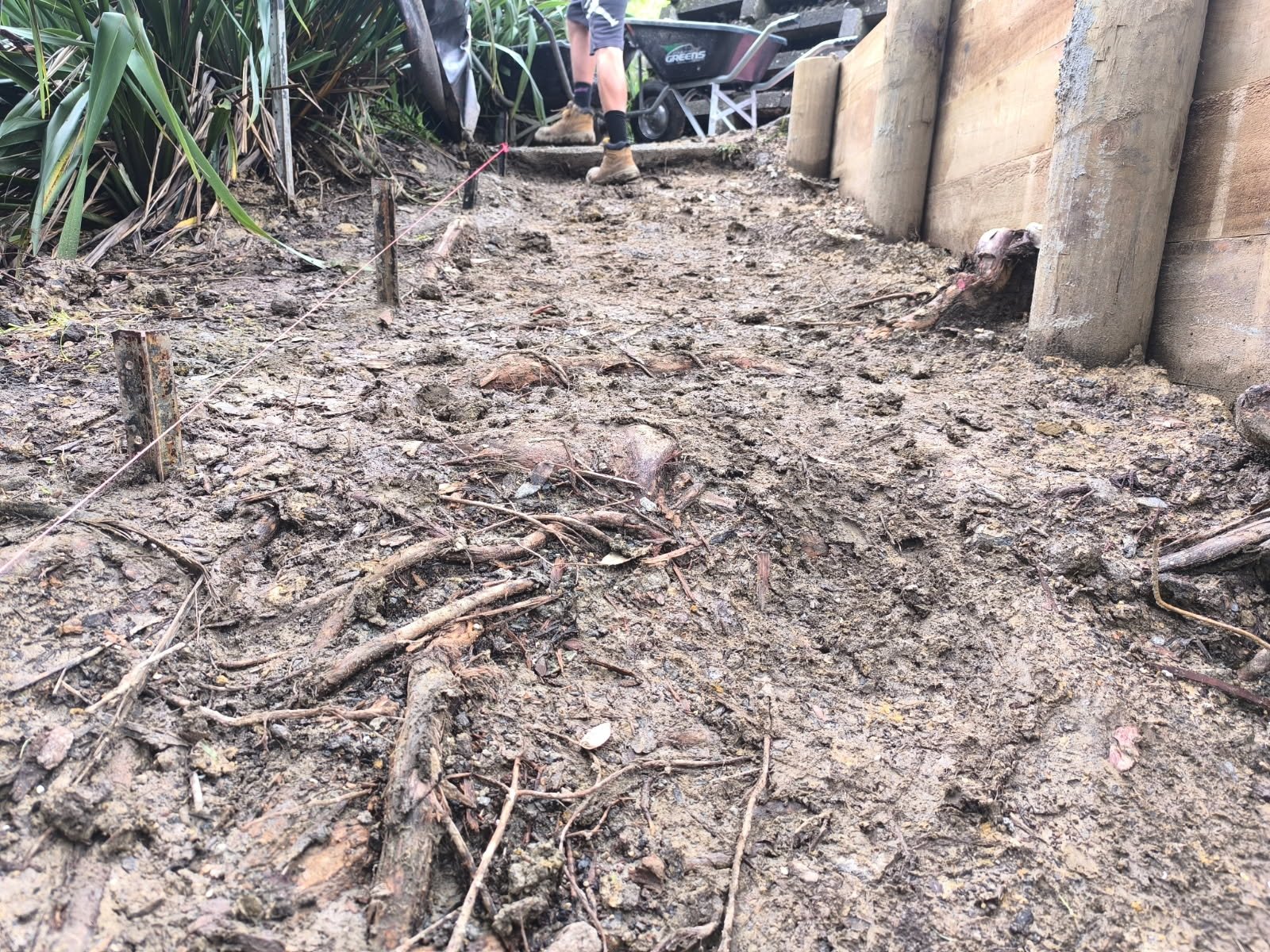
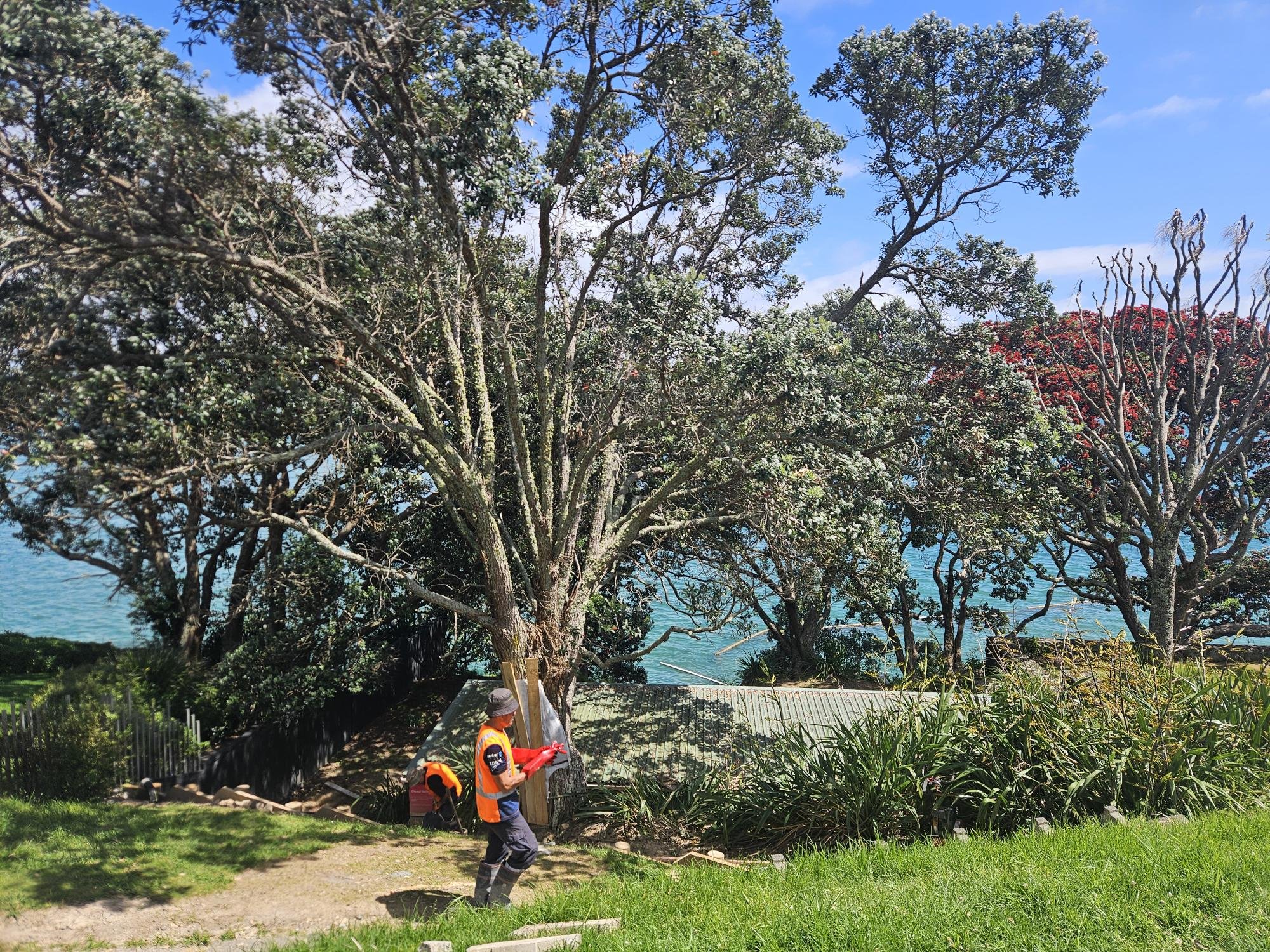
High infiltration allows water to reach shallow Pohutukawa tree roots
Shallow pavement depth minimises excavation and root disturbance
P5 slip resistance improves health and safety on steep slope
Recycled tyre rubber prevents cracking from root movement and reduces long-term maintenance costs
Delivery Team
Lead contractor: Ventia
Accredited installer: Siteworks Ltd (Porous Lane Accredited Contractor)
Key Achievements
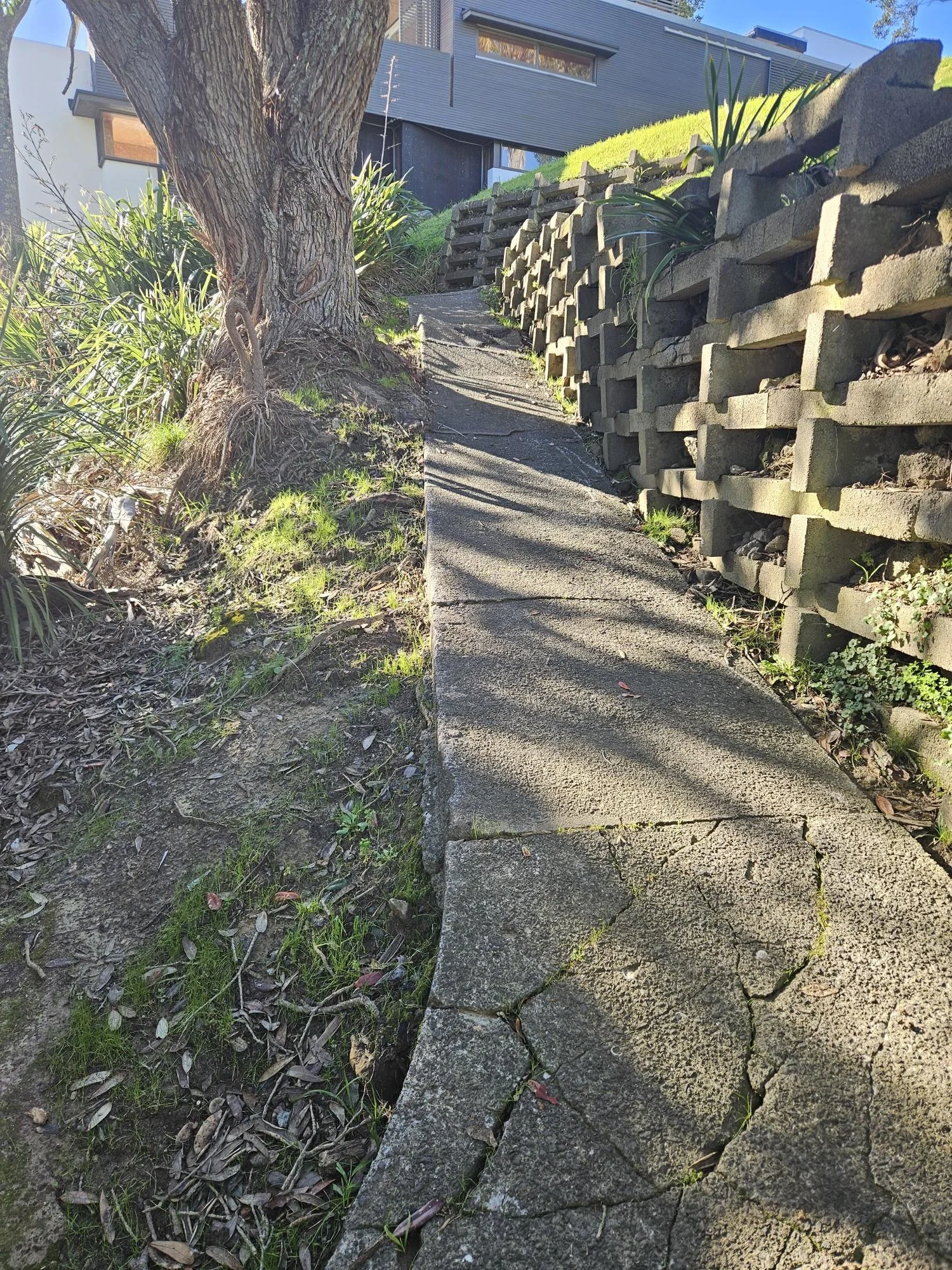
Replaced a failing footpath and traditional tree root bridging detail with a safer, crack-resistant surface while keeping budget in check
Improved health and safety outcomes with a P5 slip-resistant surface
Reduced long-term maintenance requirements
Recycled the equivalent of approximately 30 car tyres in a single footpath installation
Challenges and Solutions
The project site presented challenges including a steep gradient, sensitive tree root zones, and the risk of long-term cracking with conventional pavements. These were addressed through the use of Porous Lane’s flexible, rubberised mix and shallow construction profile, ensuring durability, safety, and environmental protection.
How Watersmart Added Value
By working closely with Ventia, Watersmart delivered an innovative solution that balanced sustainability, cost, and performance. The project demonstrates how low-carbon materials can outperform traditional approaches in public infrastructure while supporting council sustainability goals.
“This trial reflects Ventia’s commitment to innovation and our determination to lead positive change in the communities we serve. As a major essential services provider across Aotearoa and Australia, we have a responsibility to champion solutions that create a more resilient, low-carbon and resource-efficient future. Introducing new materials like Porous Lane, made from recycled tyres and designed to reduce embodied carbon while cutting waste, demonstrates how we can support our clients to achieve their sustainability goals. By embracing circular economy thinking and testing practical alternatives, we’re not only improving project outcomes today but helping shape a healthier environment for generations to come.”
— Ventia (via Grace Isherwood, Environment and Sustainability Advisor)
Blair Park Project Gallery