

Porous Lane
Award-winning, high performing permeable pavement.


→ Features
Permeable Pavement

Flood Mitigation
Infiltration rate of 3-4cm per second (8 x higher than the ASCE standard) making it an attractive alternative to permeable concrete or asphalt

Long Porosity Life
The flexible, easy to maintain durability of Porous Lane has a design life of up to 25 years.

Managing Stormwater
Porous Lane can prevent the need for expensive stormwater upgrades and be used for on-site detention.
Easy Maintenance
Porous Lane requires street sweeping once every 6-12 months to maintain optimum permeability,
High-Performance Permeable Pavement
Porous Lane is revolutionizing urban infrastructure with its innovative permeable pavement solutions, designed to effectively manage stormwater runoff, enhance site permeability, and mitigate downstream flooding. By naturally allowing water to infiltrate, Porous Lane reduces urban heat island effects and supports healthier, more sustainable cities. Incorporating Porous Lane into your projects not only improves environmental outcomes but also increases the total developable area, making it a smart choice for urban planning.
Committed to the circular economy, Porous Lane is manufactured using up to 60% locally sourced recycled tyre material, diverting waste from landfills and repurposing it into high-performance surfaces. Each square metre of Porous Lane recycles up to three tyres, offering a durable, flexible, and long-lasting pavement solution with a 25-year design life.
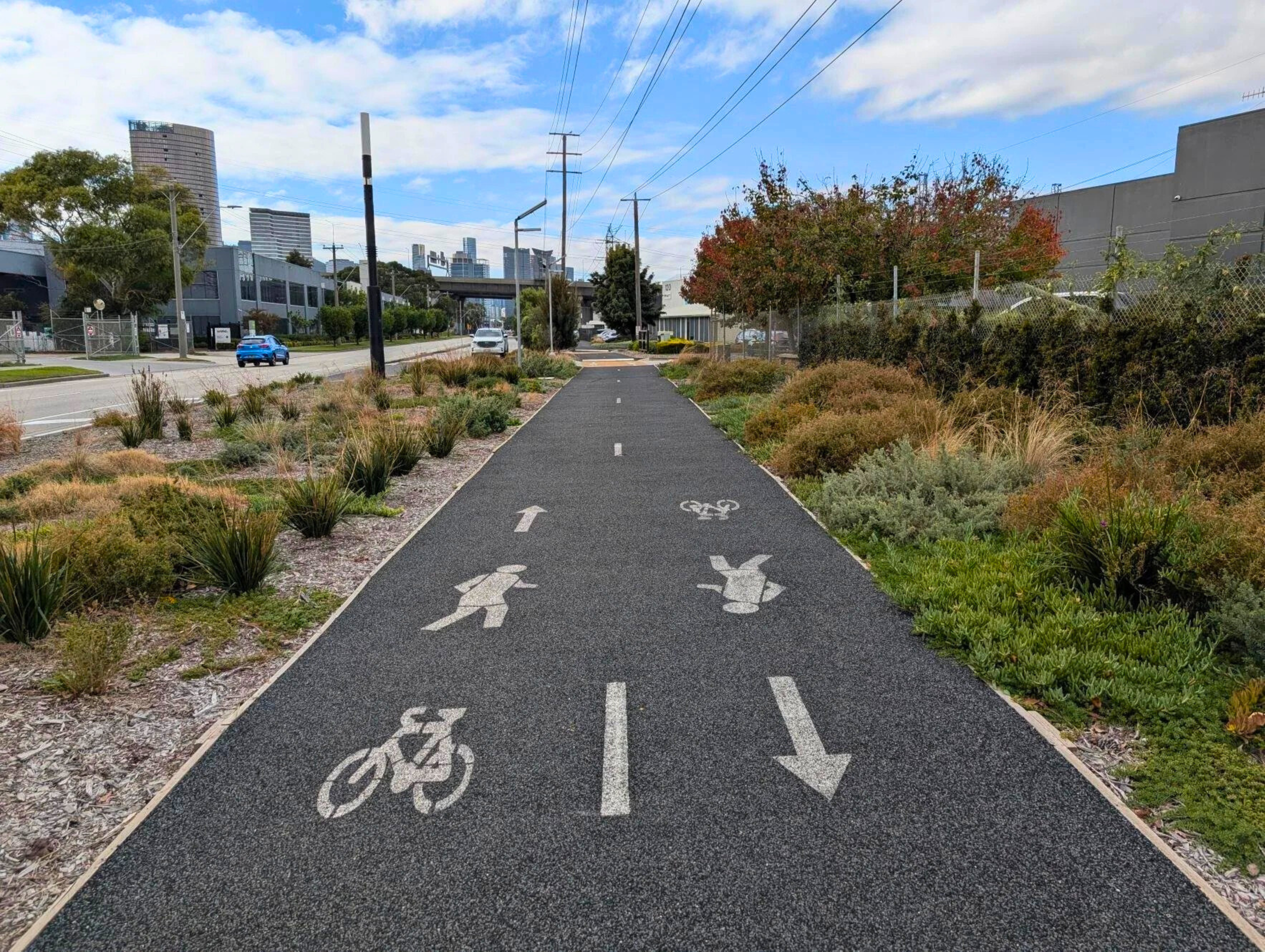
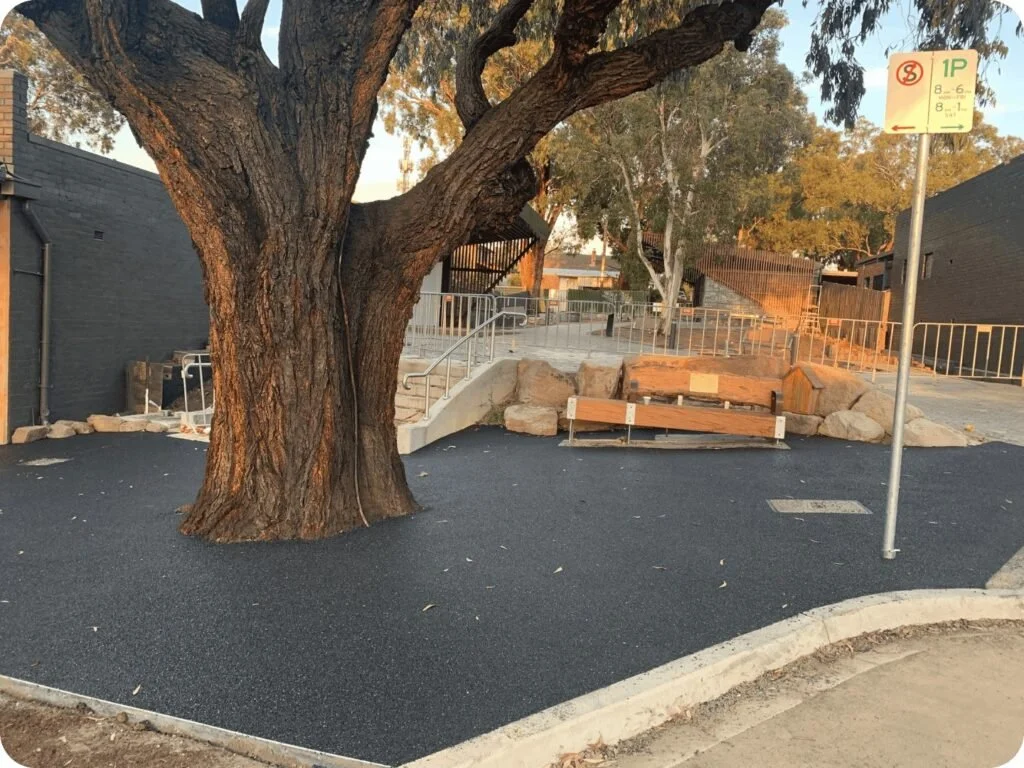
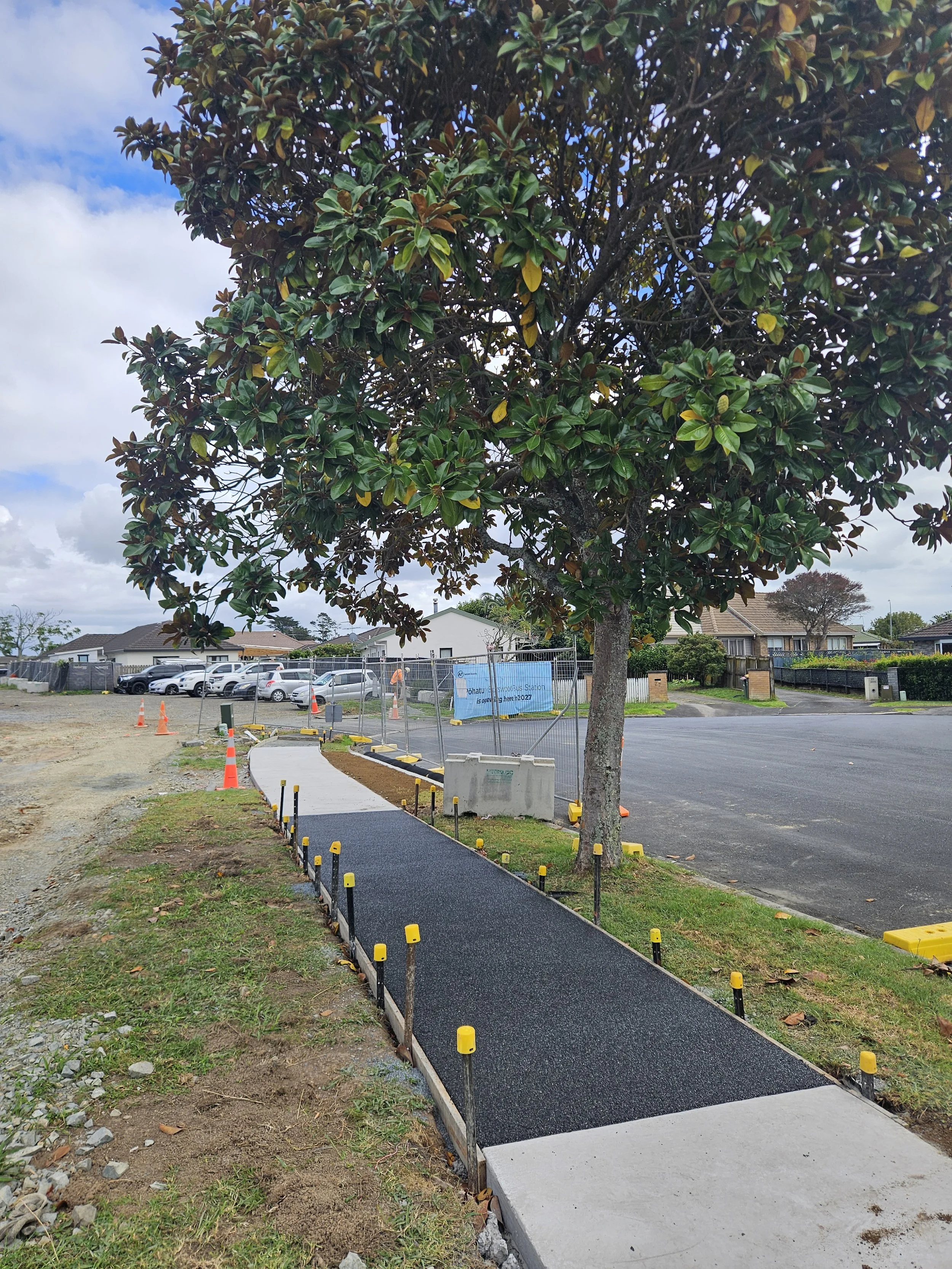
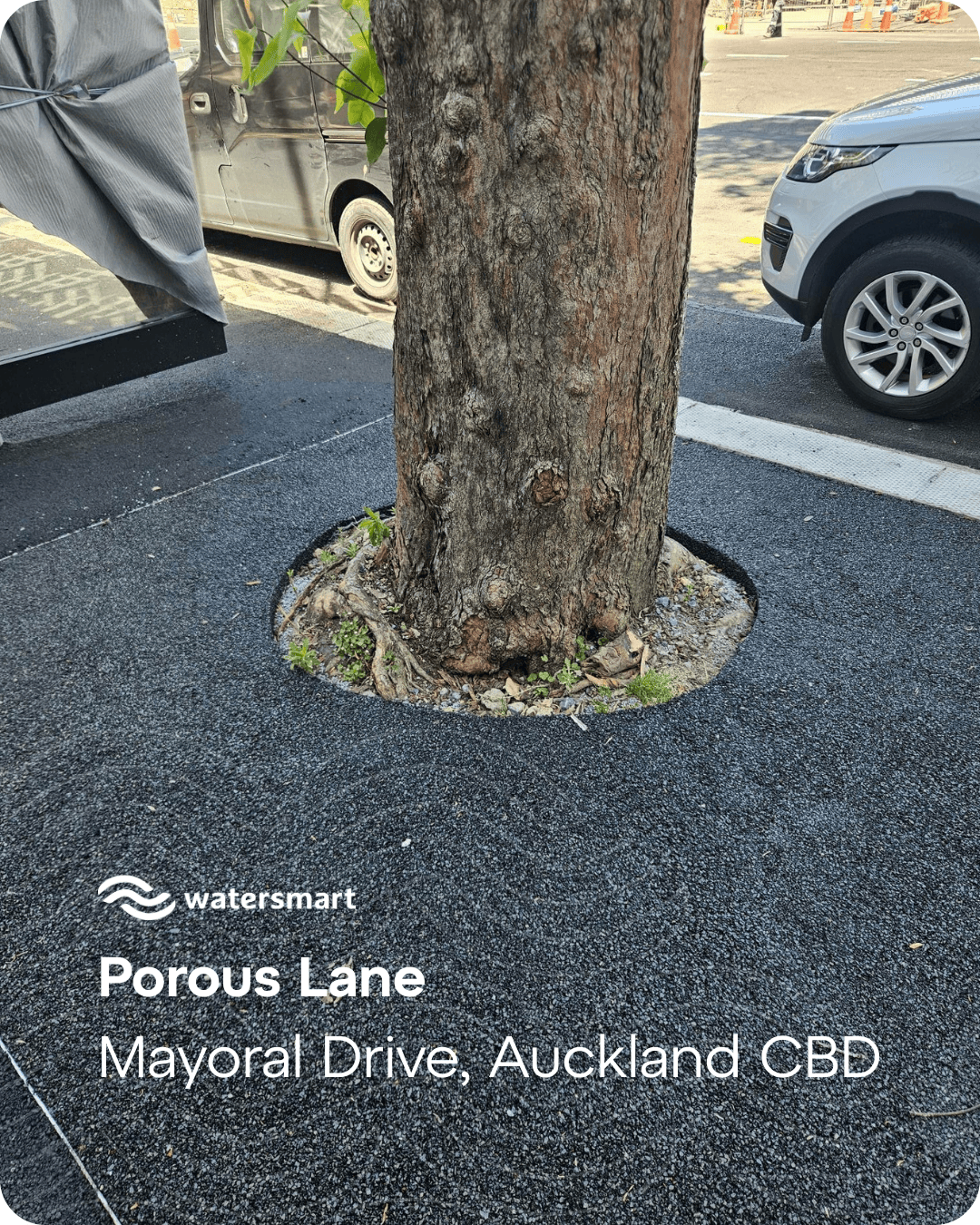
As a superior alternative to no-fines concrete and porous asphalt, it is ideal for applications such as car parks, driveways, access lanes, tree surrounds, footpaths, bike lanes, and nature strips, delivering both performance and sustainability in one smart package.
→ Benefits of Porous Lane
-

Exceptional Infiltration
Absorbs water at a rate of 3-4cm per second, which is 8 times higher than the ASCE standard, making it a superior alternative to permeable concrete or asphalt.
-

Smart Water Management
Exfiltrated water can be stored or redirected to surrounding vegetation, depending on project needs.
-

Built to Last
Engineered for long-term performance with a 25-year design life.
-

Cost-Effective Sustainability
Delivers high value when factoring in longevity and filtration benefits.
-

Advanced Filtration
Reduces total suspended solids (TSS), heavy metals, and hydrocarbons, improving water quality.
-

Eco-Friendly Assurance
Designed to prevent leachate contamination and free from microplastics.
→ Colour Options
A variety of 12 colours available to suit any aesthetic, building or landscape design.

→ How It Works
Research backed, academically tested.
Porous Lane is a high-performance permeable pavement with an infiltration rate of 3-4cm per second. It can replace traditional asphalt with a material that allows water to pass through, helping irrigate nearby green spaces and filtering pollutants from stormwater.
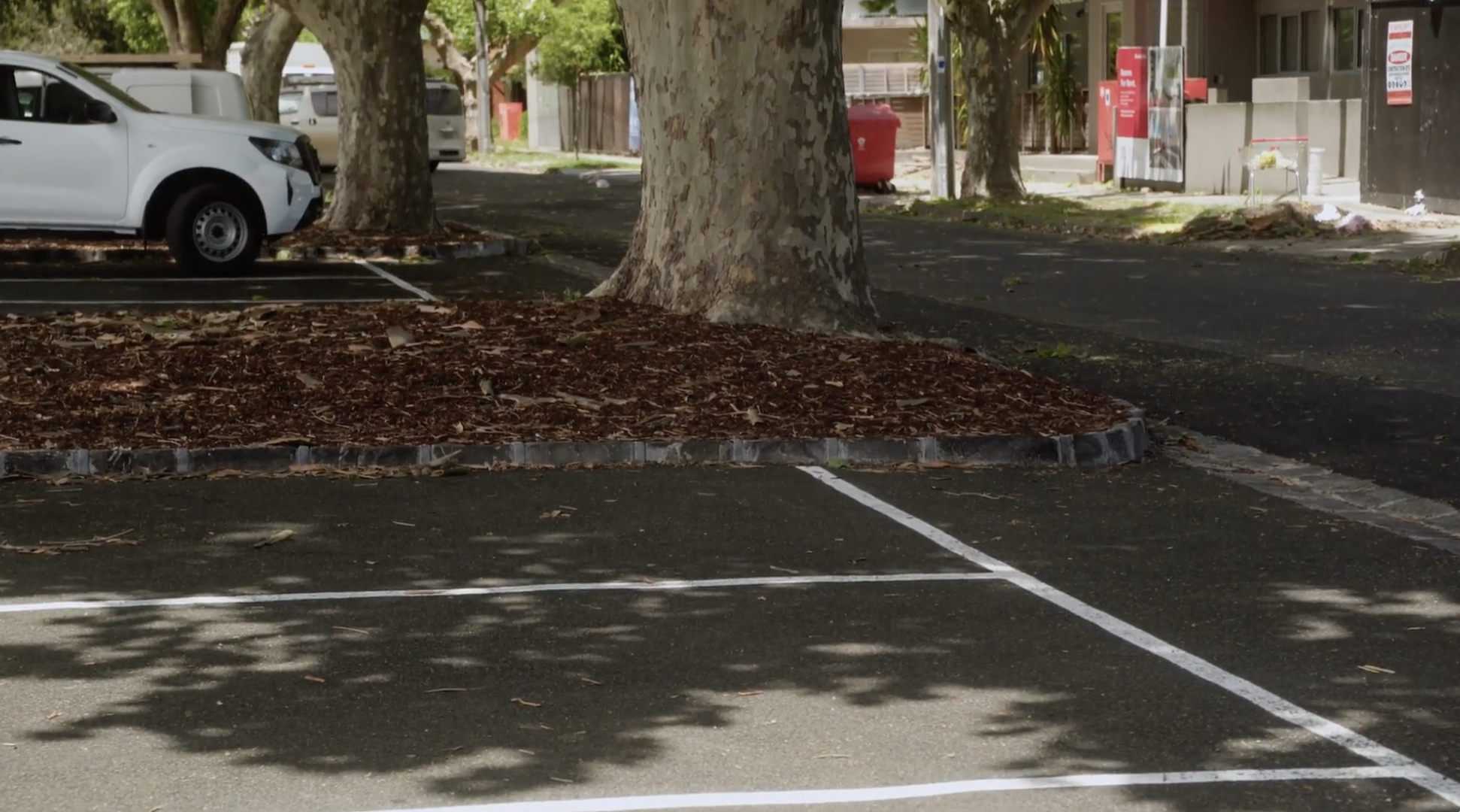
The pavement incorporates recycled tyres (over 1,200 used in this single car park project), supporting sustainability and the circular economy. Its structure includes a screenings layer within a geo-cell system for stability and water filtration. Unlike asphalt, Porous Lane is crack-resistant and semi-flexible, preventing tree root damage by creating gentle waves instead of uplift. The technology is promoted through accredited installation programs to encourage wider adoption.
Explore In-Depth Case Studies
New Zealand's Only Whole-System Water Experts: Stormwater Management & Water Sustainability
Case studies are a great way to understand how our products are being used in the real world. They provide a glimpse into the success stories of our customers, and show us how our products have helped them achieve their goals.



Porous Lane FAQ's
-
Porous Lane can be used for any of the following applications:
Access Lanes
Schools
Terraces
Roof Gardens
Paved areas where a permeability requirement or reduction in runoff is desired
Porous Lane is not suitable for use in roads.
-
Porous Lane can provide multifaceted benefits to projects including:
increased site permeability
significantly reducing runoff
flood mitigation
reducing urban heat island effects
treating stormwater
lower carbon footprint than concrete or asphalt
less excavation requirements for pavements near tress/TPZs
highly resistant to cracking around tree root movement
-
Porous Lane is a unique engineered material that is the outcome of several years of research and testing at the University of Melbourne.
The result is a durable high-performance material that:
is 8-10x more permeable than the ASCE guideline
has a higher compressive strength than asphalt
is semi-flexible and highly resistant to cracking
Porous Lane is also made of 40-60% recycled tyre material, contributing to the circular economy.
-
Porous Lane’s design life is comparable to asphalt: 20-25 years.
-
Porous Lane is made from a combination of recycled tyre aggregate, bluestone and our proprietary engineered polyurethane binder.
-
Porous Lane sources recycled tyre aggregate from Tyre Stewardship Australia accredited processing facilities. The chemistry of the tyre aggregate is controlled to ensure the same performance across all Porous Lane installations.
In the interests of making the material as sustainable as possible, tyre aggregate is sourced from the closest facility to all installations.
-
Yes, Porous Lane can provide input into design in order to help achieve the most cost-effective outcome.
-
Porous Lane is mixed on site and installed by hand. It is a cold mix, unlike asphalt.
It takes approx. 8-12 hours to fully cure and is typically usable the day after installation.
-
Porous Lane can interface with asphalt or concrete in several ways.
It can abut directly against concrete or asphalt, using a sealing binder if required.
A concrete beam can be used if desired
A membrane or sealing binder can be used to ensure water doesn’t flow underneath existing asphalt (typically in a car park setting).
-
Porous Lane can interface with asphalt or concrete in several ways.
It can abut directly against concrete or asphalt, using a sealing binder if required.
A concrete beam can be used if desired
A membrane or sealing binder can be used to ensure water doesn’t flow underneath existing asphalt (typically in a car park setting).
-
Porous Lane can contribute to sustainability in many ways.
It is made from 40-60% recycled tyre particles, contributing to the circular economy and creating demand for a problematic waste stream
It can reduce runoff, mimicking natural infiltration and restoring water to the ground table
It can treat stormwater and reduce pollutants in waterways
It can contribute to faster establishment of urban canopy through passive irrigation
It can reduce urban heat island effects
It has a lower carbon footprint than concrete or asphalt
It can result in longer lasting assets near established trees
It can reduce the depth of excavation required, retaining soils
-
Porous Lane’s costs vary depending on the application and corresponding thickness. As a high-performance circular economy material, Porous Lane’s up-front costs are typically more than asphalt or concrete.
When whole of life aspects are considered alongside performance benefits, Porous Lane is a highly cost effective material.
When compared with other, less well performing permeable surfaces, Porous Lane is a cost-effective option.
-
All permeable pavements are vulnerable to clogging if not maintained. The lower the permeability, the more quickly materials will clog.
Porous Lane has an advantage due to its very high permeability – it will remain above ASCE permeability guideline for at least five years, and can be easily maintained.
-
Porous Lane requires street sweeping once every 6-12 months to maintain optimum permeability,
Permeability can also be maintained by pressure washing or vacuum sweepers.
-
Porous Lane FAQ's
What Can Porous Lane Be Used For?
Why Use Porous Lane?
What Makes Porous Lane Different to Other Permeable Pavements?
What is the Design Life of Porous Lane?
What is Porous Lane Made From?
Where is the Tyre Aggregate Sourced?
Does Porous Lane Provide Design Services?
How is Porous Lane Installed?
How Does Porous Lane Interface with Asphalt/Concrete?
Why Is Porous Lane Sustainable?
How Much Does Porous Lane Cost?
Does Porous Lane Clog?
What Maintenance Does Porous Lane Require?
Can Porous Lane be Repaired?
Yes. Porous Lane can be patched with fresh mixture.
If the damage is significant or access is required for utilities, it can be cut using a diamond saw and patched with fresh mix.
-
Porous Lane can provide benefits under the following systems
BESS
Council Planning/DA Requirements
Please click on the links above to read more.
-
Porous Lane improves stormwater quality by filtering pollutants and trapping particles in the pavement.
One study indicate that Porous Lane removed nitrate as nitrogen by 95%, total suspended solids by 66% and heavy metals (up to 89%).
-
Leachates from Porous Lane have been studied according to EPA guidelines, with tested leachates either not detected or well below EPA levels.
This is due to the tyre particles being inert as they are encased in binder during he mixing process.
-
A Porous Lane node can be set up in MUSIC.
Please reach out to us at sales@porouslane.com.au to receive a copy of the instructions on how to do so.
-
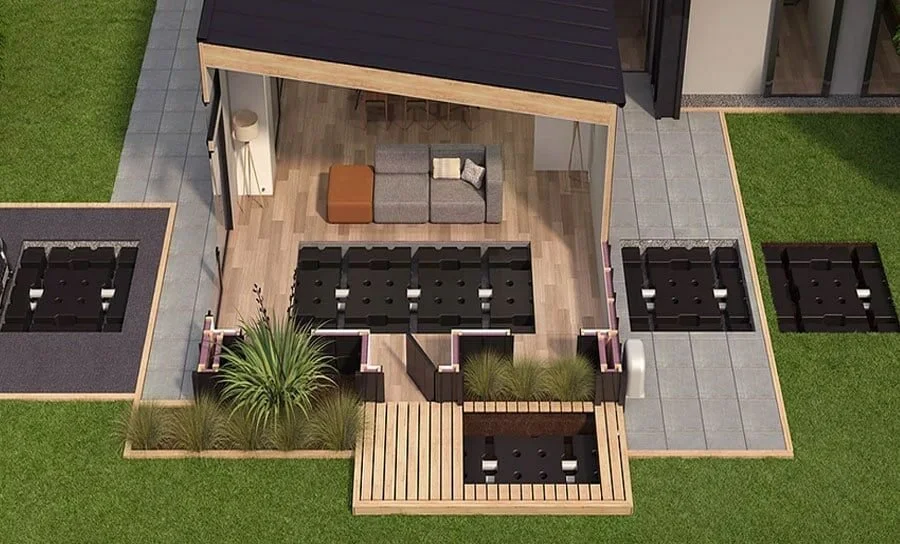
Once infiltrated through the permeable layer, the intent of the design guides what happens to the water in the system.
Depending on the desired outcomes water can:
Be directed into an adjacent tree pit or parkland
Be directed into water tanks.
Exfiltrate into the subgrade (depending on the type of subgrade eg. this is not possible with clay)
Be redirected back into the stormwater system
-
While there is currently no facility that can recycle Porous Lane, we have established in small quantities that it can be recycled back into Porous Lane mix.
Tell Us About Your Project
From conceptualising to constructing, we’re ready to design your architectural dream. We promise a client-centric approach that empowers ideas, eases concerns, and delivers quality craftsmanship we’ll all be proud of.
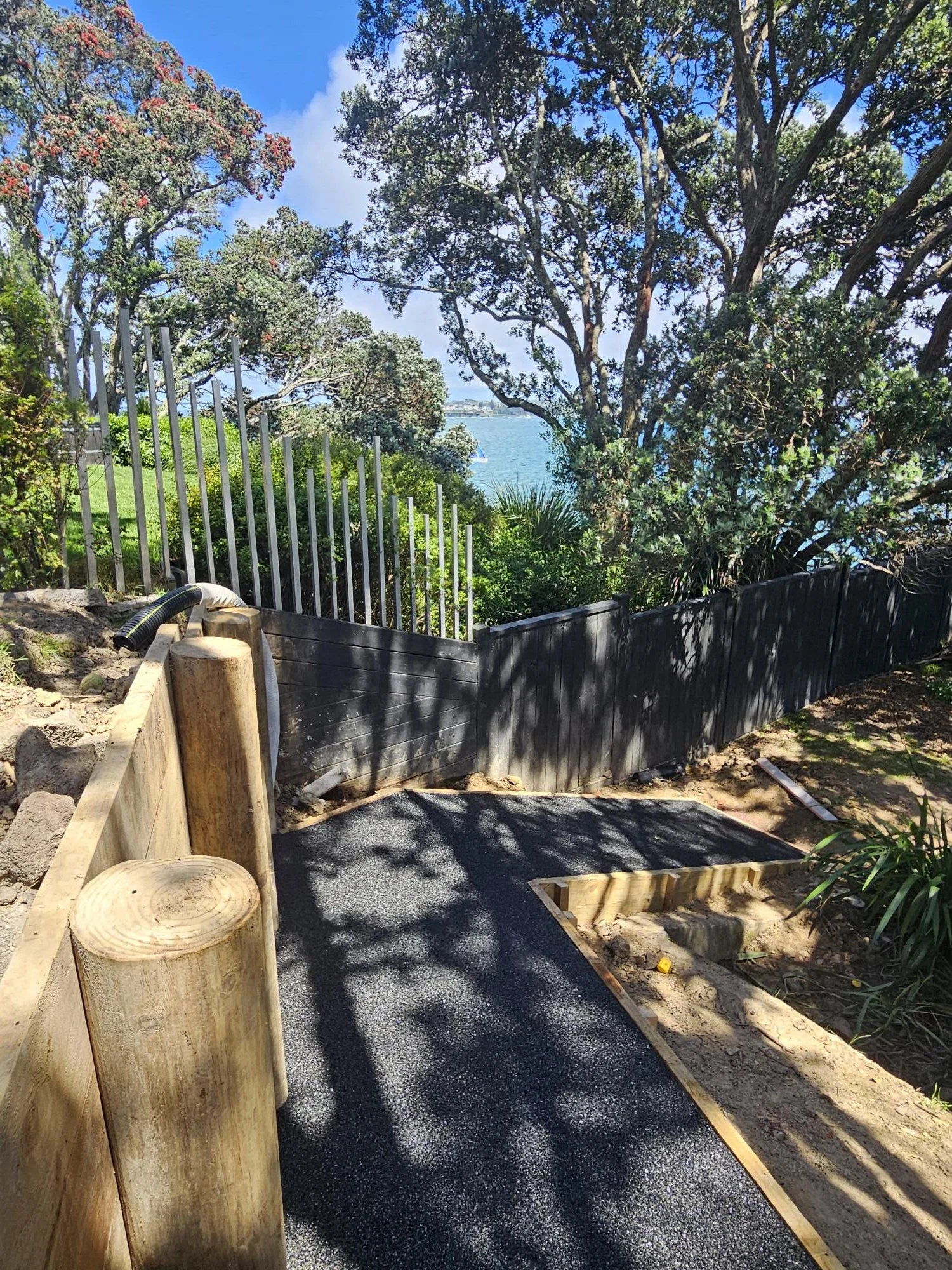
Porous Lane driveway installed on in Henderson Valley to prevent water pooling and help stormwater management.