From Permeable Pavements to Sponge Cities: Why New Zealand Needs a New Stormwater Playbook
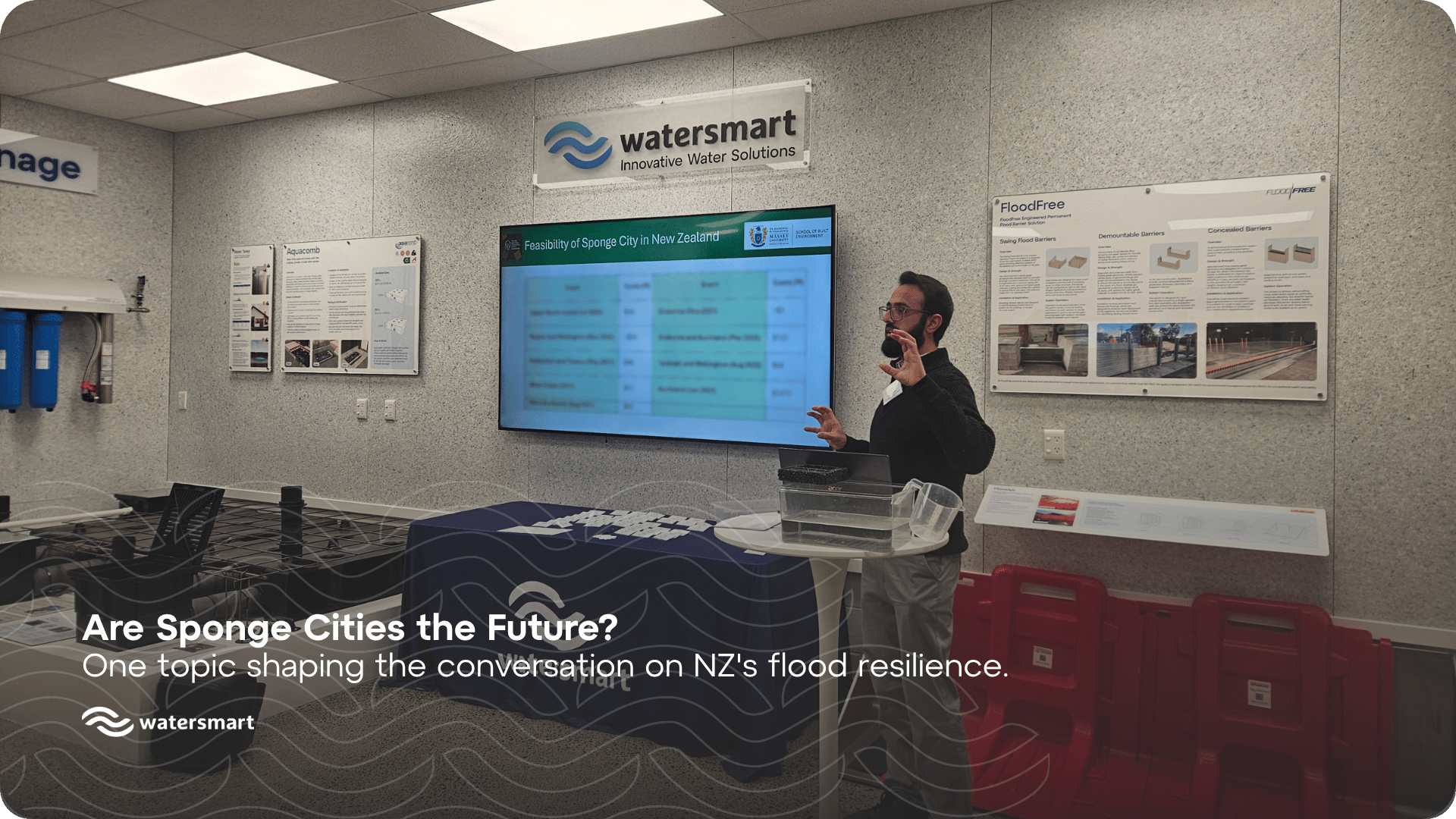
Umar Farooq - PhD Candidate at Massey University presenting at Watersmart Innovation Hub
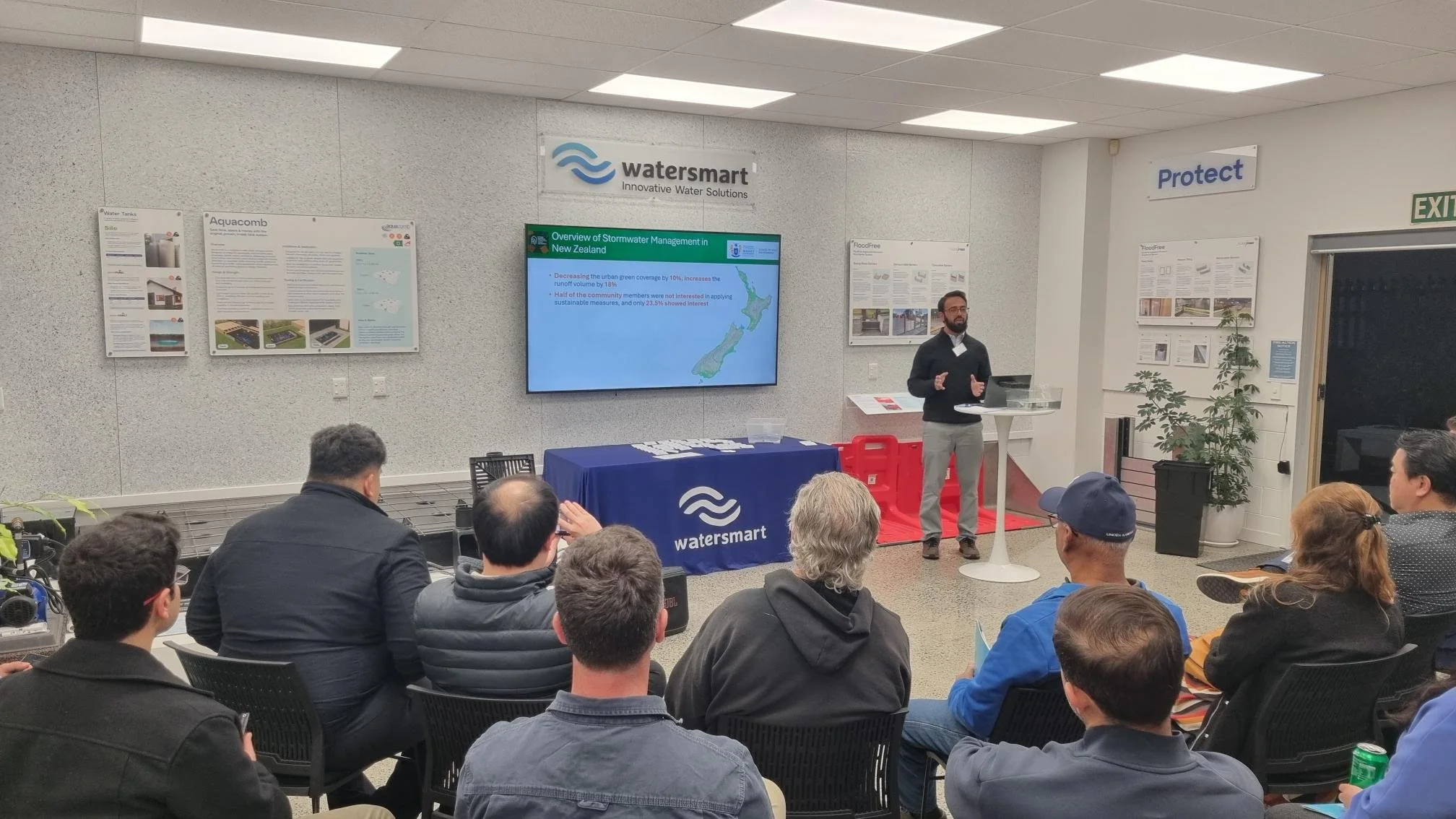
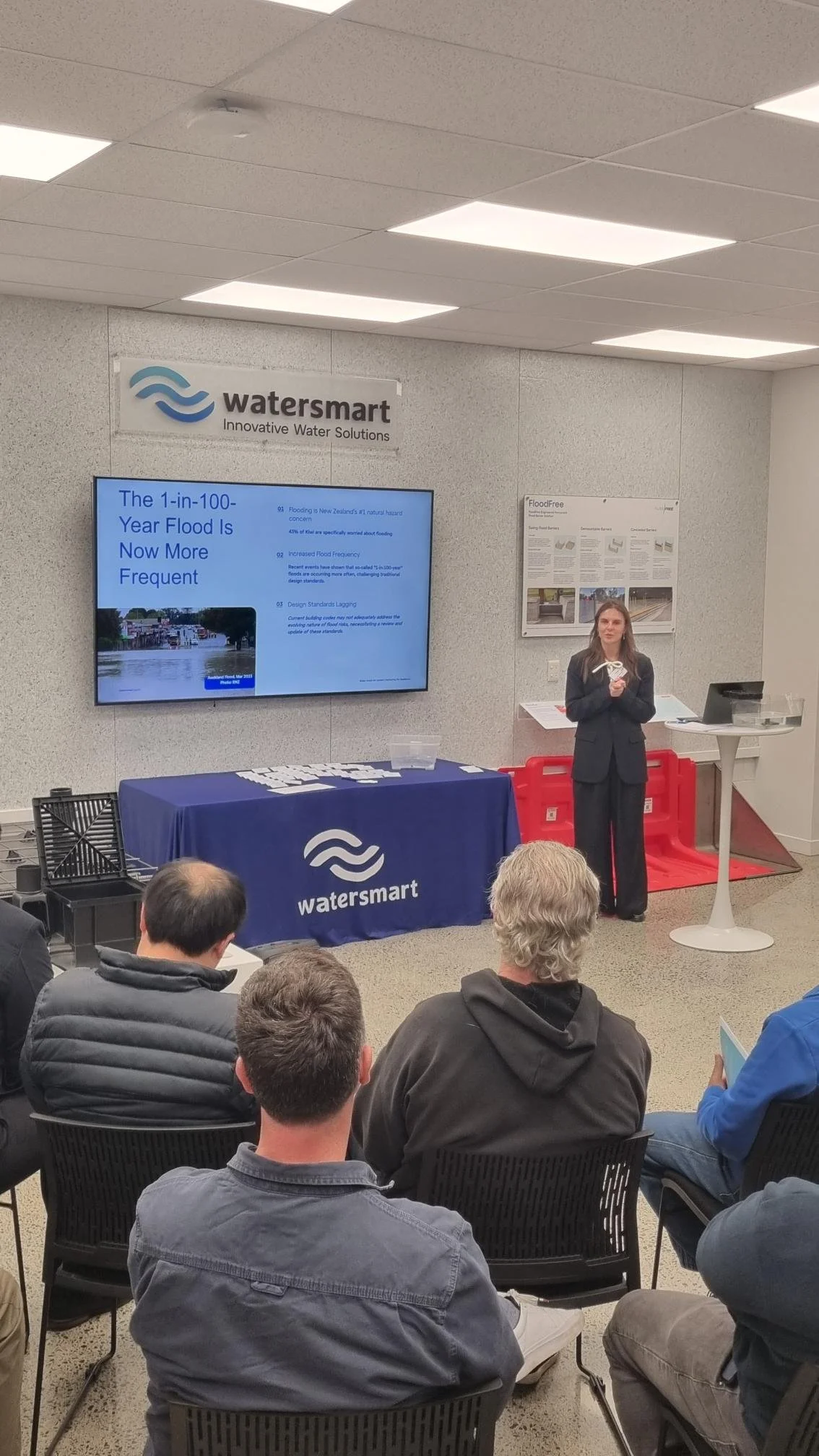
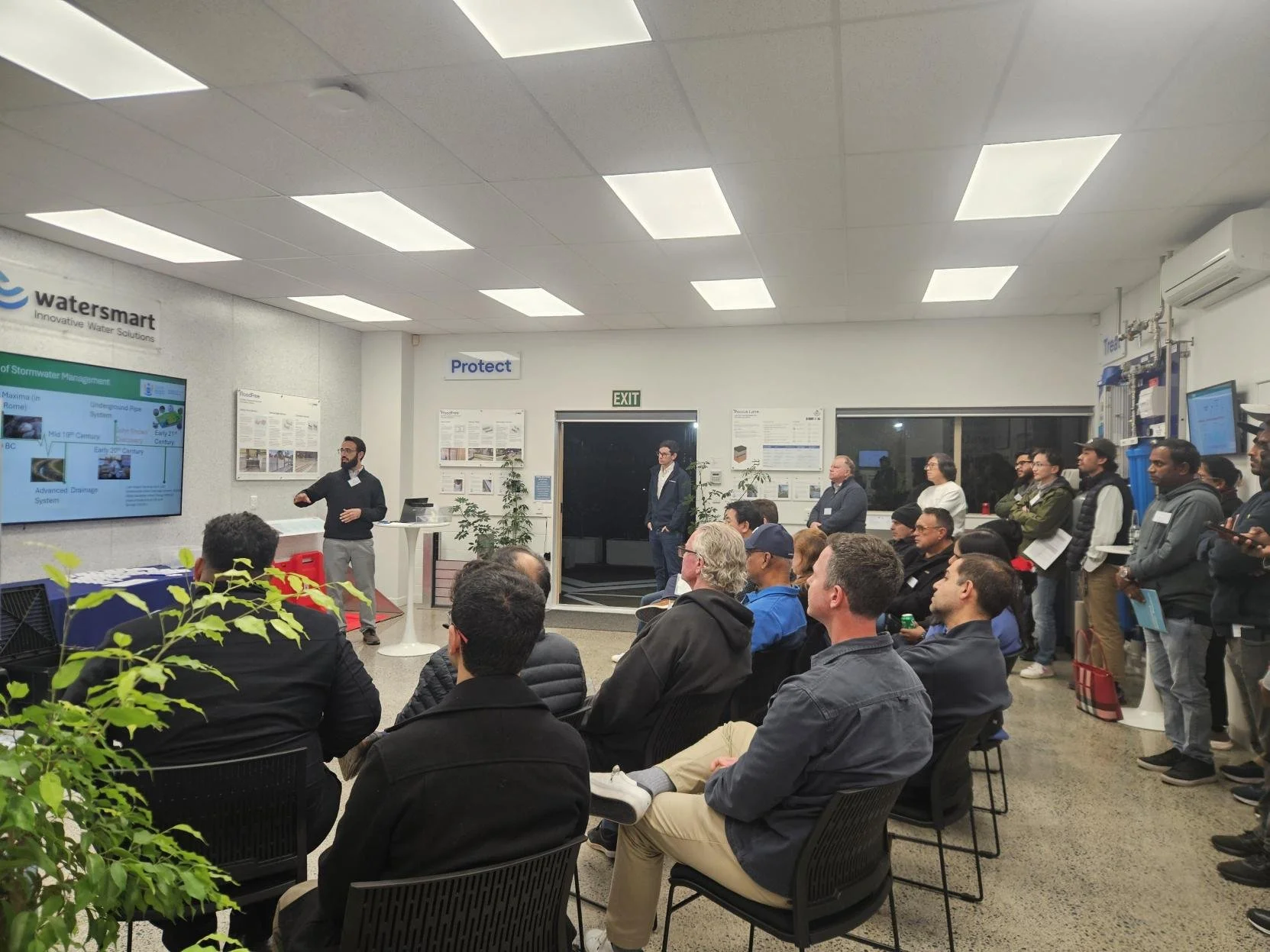
What if the biggest stormwater challenge facing New Zealand isn't flooding itself, but the way we think about managing it?
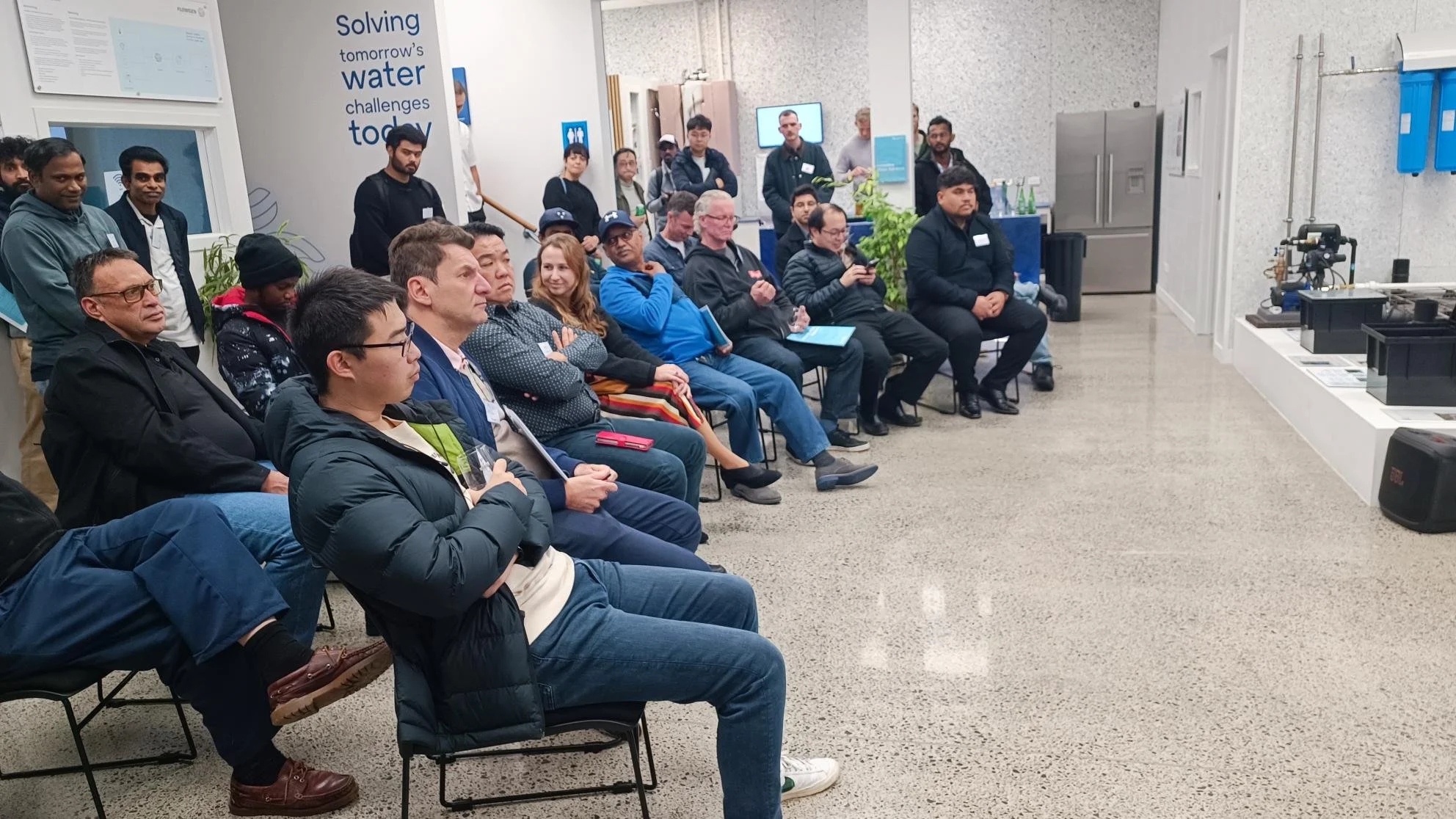
That was one of the key themes explored at a recent Engineering New Zealand event hosted at the WaterSmart Innovation Hub, where engineers, urban designers, planners, and infrastructure professionals came together to discuss the future of stormwater management in Aotearoa.
The evening featured research from Umar Farooq, PhD candidate at Massey University, on the feasibility of Sponge City design in New Zealand, alongside practical industry insights from WaterSmart on how catchment-scale approaches and permeable infrastructure can help cities become more resilient.
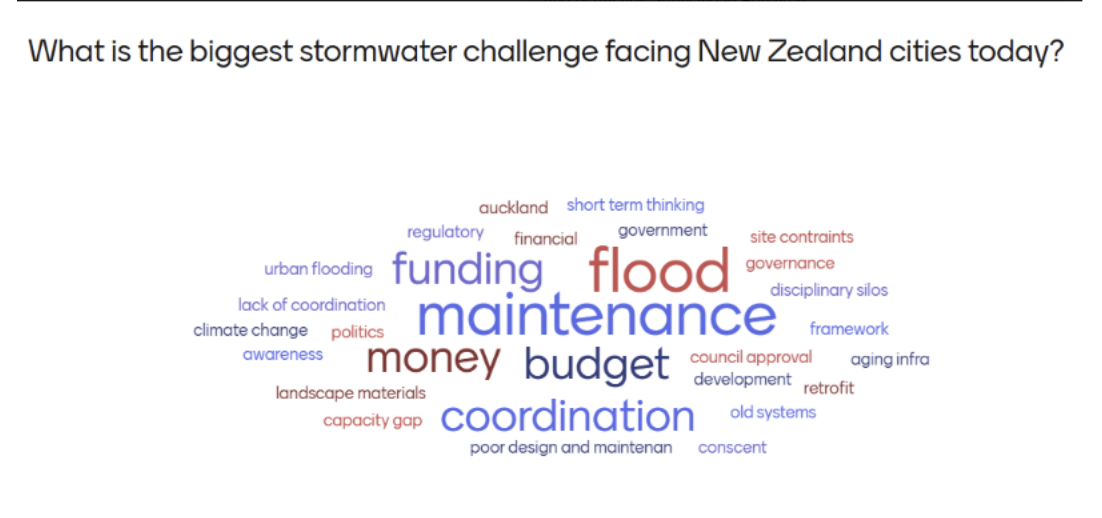
The challenge is bigger than flooding. Attendees identified funding, maintenance, coordination, ageing infrastructure, regulatory complexity, and short-term decision-making as major barriers. Flooding is increasingly viewed as a systems challenge rather than simply an engineering problem.
The Sponge City concept offers a different approach. Instead of moving stormwater away as quickly as possible, Sponge Cities are designed to absorb, store, infiltrate, reuse, and slowly release water. This is achieved through integrated green and grey infrastructure such as permeable pavements, rain gardens, wetlands, swales, green roofs, rainwater harvesting, and underground storage systems.
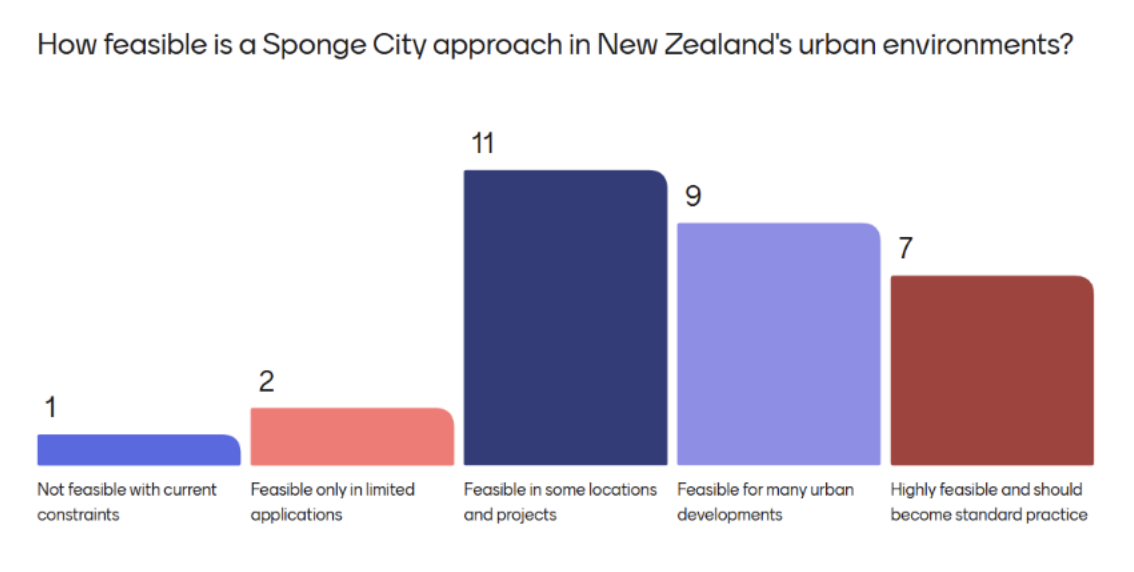
Audience feedback showed strong support for the concept, with most participants viewing Sponge City principles as feasible for many urban developments in New Zealand. Many practitioners reported already specifying or designing elements such as permeable pavements, rain gardens, wetlands, underground storage systems, and rainwater harvesting.
At Watersmart, we believe the future of stormwater management is not a choice between grey infrastructure and green infrastructure. It is the intelligent integration of both. During the event, WaterSmart shared real-world modelling and adoption examples from Australia and New Zealand demonstrating how catchment-based planning can reduce pressure on traditional networks while delivering environmental, social, and economic benefits.
WaterSmart's role extends beyond supplying permeable surfacing solutions. Through the WaterSmart Innovation Hub, we are helping councils, engineers, developers, and communities rethink how water moves through urban environments, connecting research with practice and accelerating the transition from reactive flood management to proactive urban resilience.
The expertise already exists. The tools already exist. The projects already exist. What is needed now is leadership, collaboration, and a shared vision. WaterSmart is proud to be helping drive the Sponge City conversation in New Zealand and supporting the development of more resilient, adaptable, and future-ready communities.
Mentimeter snippets of answers generated by our attendees of Engineering NZ: