Watersmart Insights
Filter
Tag
- Aquacomb 24
- Education 12
- El Niño NZ 2
- Events 3
- FenceTank 14
- FloodFree 27
- Floody 20
- Flowgen 1
- Hydraloop 13
- Hydraloop NZ 1
- Leaf Diverter 2
- Porous Lane 25
- SMAF requirements 1
- SlimCity 7
- Sustainability 1
- WaterSAFE 2
- case study 14
- flood risk NZ 1
- greywater recycling NZ 1
- greywater recycling developments NZ 1
- off grid living NZ water 1
- off grid water NZ 1
- off grid water systems NZ 1
- permeable driveway consent 1
- permeable pavement NZ 1
- permeable paving NZ 1
- porous paving driveway 1
- rainwater self sufficiency NZ 2
- rainwater tanks NZ 2
- reduce mains water reliance 1
- reduce mains water use NZ 1
- stormwater runoff NZ 2
- sustainable development water NZ 1
- water independence NZ 1
- water reuse commercial NZ 1

How to reduce heat island effects caused by El Niño
During hot, dry El Niño summers, traditional asphalt and concrete absorb heat while preventing rainwater from reaching the soil and surrounding vegetation.
Permeable surfaces such as Porous Lane allow rainfall to filter into the ground, supporting tree roots, reducing surface runoff and helping retain moisture beneath urban areas. This can strengthen natural cooling and reduce pressure on stormwater networks when sudden summer downpours arrive.
Discover how permeable paving can help create cooler, greener and more climate-resilient urban spaces.

Infrastructure Before Intensification: What Auckland Must Get Right to Enable Growth
Auckland has ambitious plans for housing, intensification and economic growth. But zoning land for development is only part of the equation. The supporting transport, water and wider infrastructure must be planned and delivered at the right time.
We’ve shared five key insights from the Property Council New Zealand’s Enabling Auckland: Infrastructure for Growth event, including what they could mean for the future of water management and resilient urban growth.
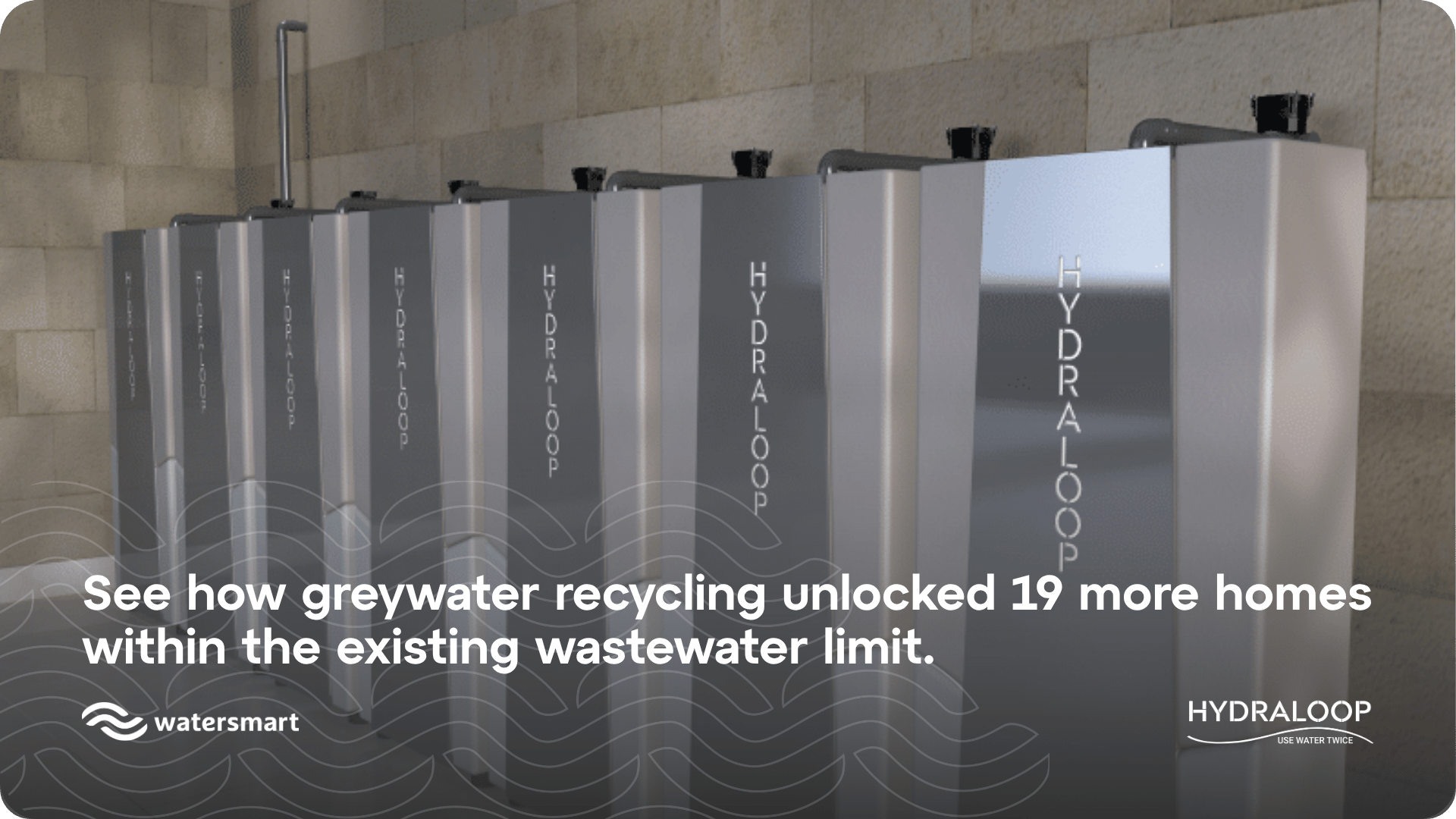
Greywater recycling pilot unlocks greater housing yield in Hamilton
A centralised Hydraloop greywater recycling system helped a Hamilton development increase its proposed yield from 33 to 52 dwellings while remaining below the site’s existing wastewater discharge limit.
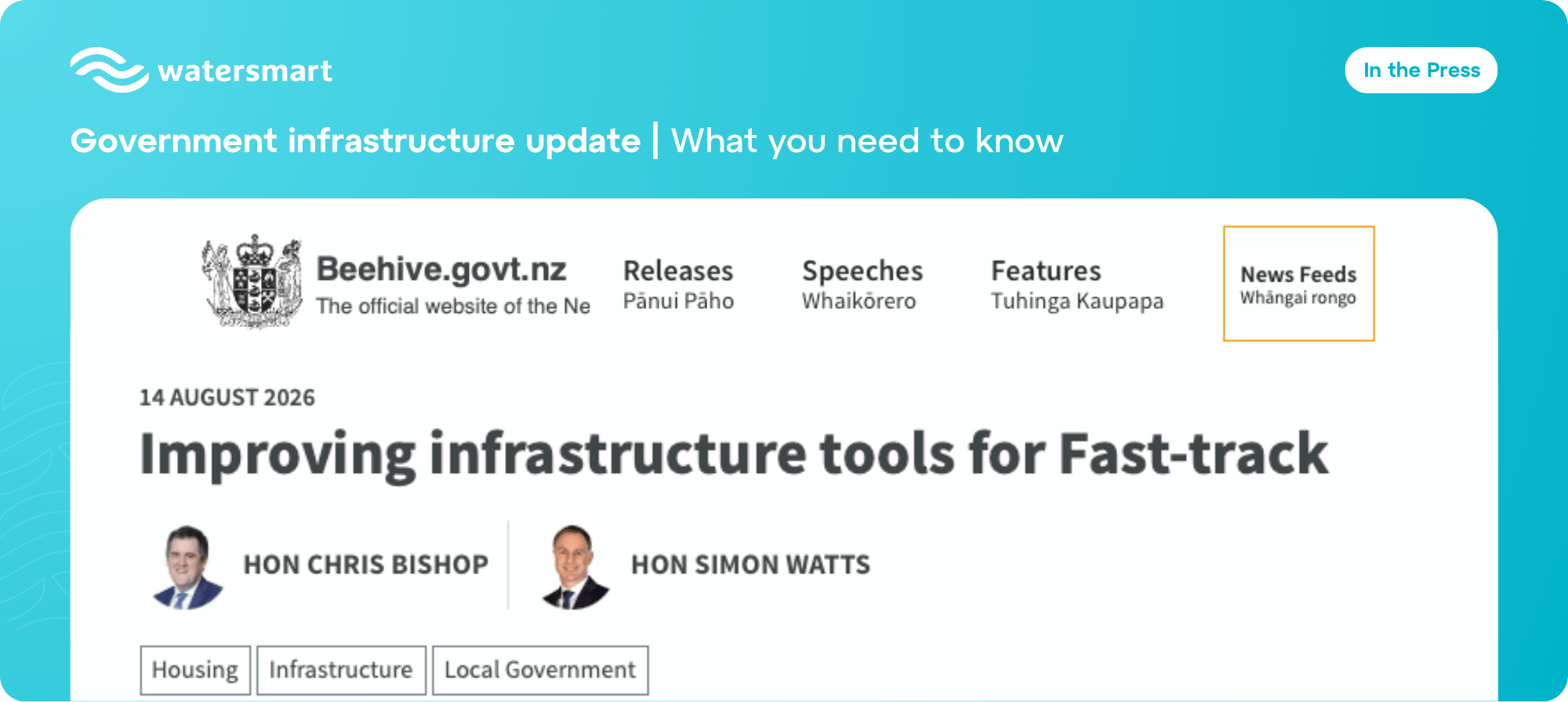
Fast-track Development Still Needs Infrastructure Certainty
Fast-track approval may help a development move through consenting sooner, but it does not resolve how the infrastructure needed to service it will be funded or delivered. We look at the Government’s proposed changes and what councils and project teams should establish early to create greater certainty.

Can a Pavement Clean Stormwater?
Permeable pavements are widely recognised for reducing runoff, but research suggests their benefits may extend beneath the surface. Explore how Porous Lane’s pavement profile can help filter sediment, nutrients and heavy metals from stormwater, offering new possibilities for resilient, water-sensitive urban design.

The Future of Compliance Is Evidence, Not Inspection
Recent changes to New Zealand's plumbing and drainlaying legislation mark an important shift in how compliance is managed across the construction industry.
With self-certification expected to become available for a wider range of low-risk plumbing and drainlaying work, responsibility for verifying compliance is moving closer to the people who design, install and commission these systems.
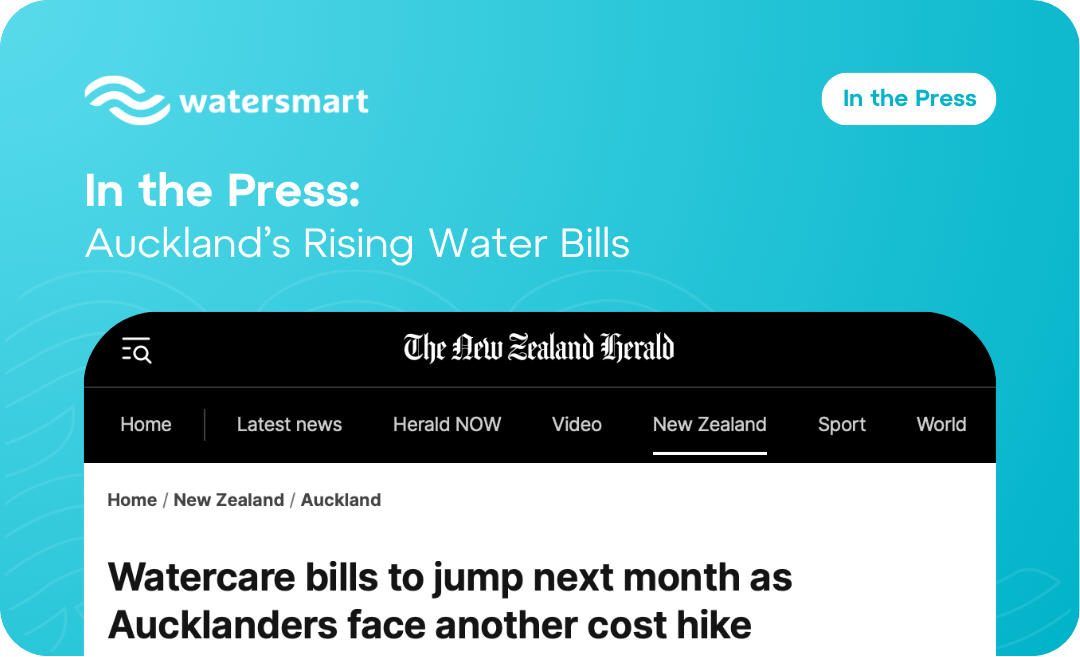
Rethinking the Relationship Between Buildings and Water Infrastructure
Recent headlines around rising water charges and major infrastructure investment programmes have reignited discussion about the future of water in New Zealand. But beyond the cost of infrastructure lies a bigger question: what role can buildings themselves play in supporting the performance and resilience of our water networks? We explore how rainwater harvesting, water recycling, and on-site stormwater management are changing the way we think about the relationship between buildings and water infrastructure.
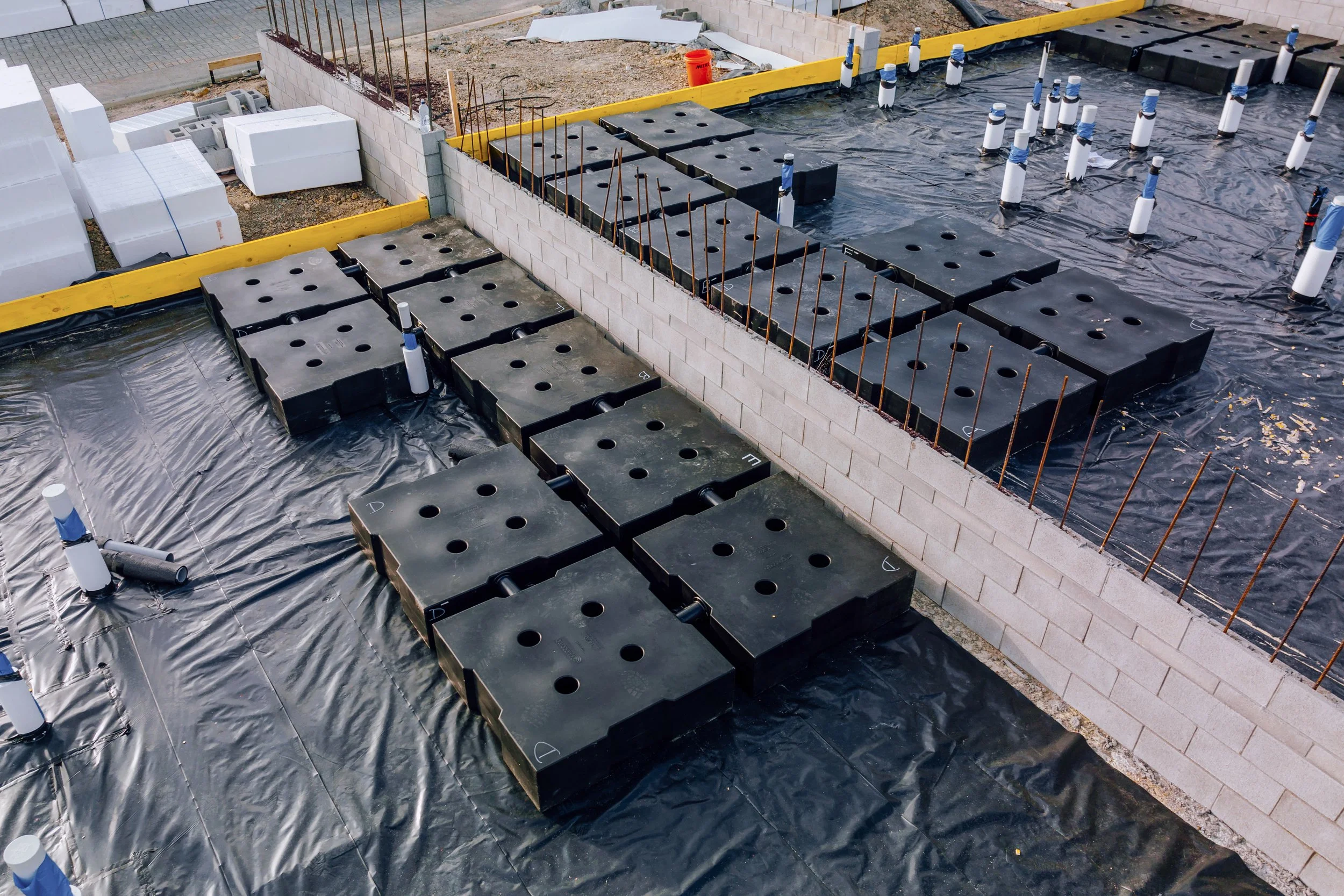
Small Systems, Big Impact: 220 Million Litres of Stormwater Managed
Over the past 12 months, 4,466,750 litres of Aquacomb water storage has been installed across New Zealand. These have managed an estimated 220 million litres of water over the year.
This figure is based on internal system capacity calculations across approximately 3,800 installations between 1 April 2025 and 31 March 2026. It reflects a combination of both detention and retention. In simple terms, that is water being temporarily stored and released in a controlled way, or held for non-potable reuse within the property.
On its own, each system contributes a relatively small volume. But when you step back, the scale becomes clearer. Across thousands of sites, this works out to roughly 60,000 litres per property last year.

Sponge Cities: Building Urban Resilience Without Slowing Growth
Around the world, leading cities are adopting a more integrated approach: designing urban environments to behave like sponges — absorbing, storing, filtering and gradually releasing rainwater rather than immediately channelling it away.
The Watersmart Innovation Hub: Solving Tomorrow’s Water Challenges Today
The Watersmart Innovation Hub: Solving Tomorrow’s Water Challenges Today. Opening a space for the industry to learn more about how to build water resilient futures with Watersmart.
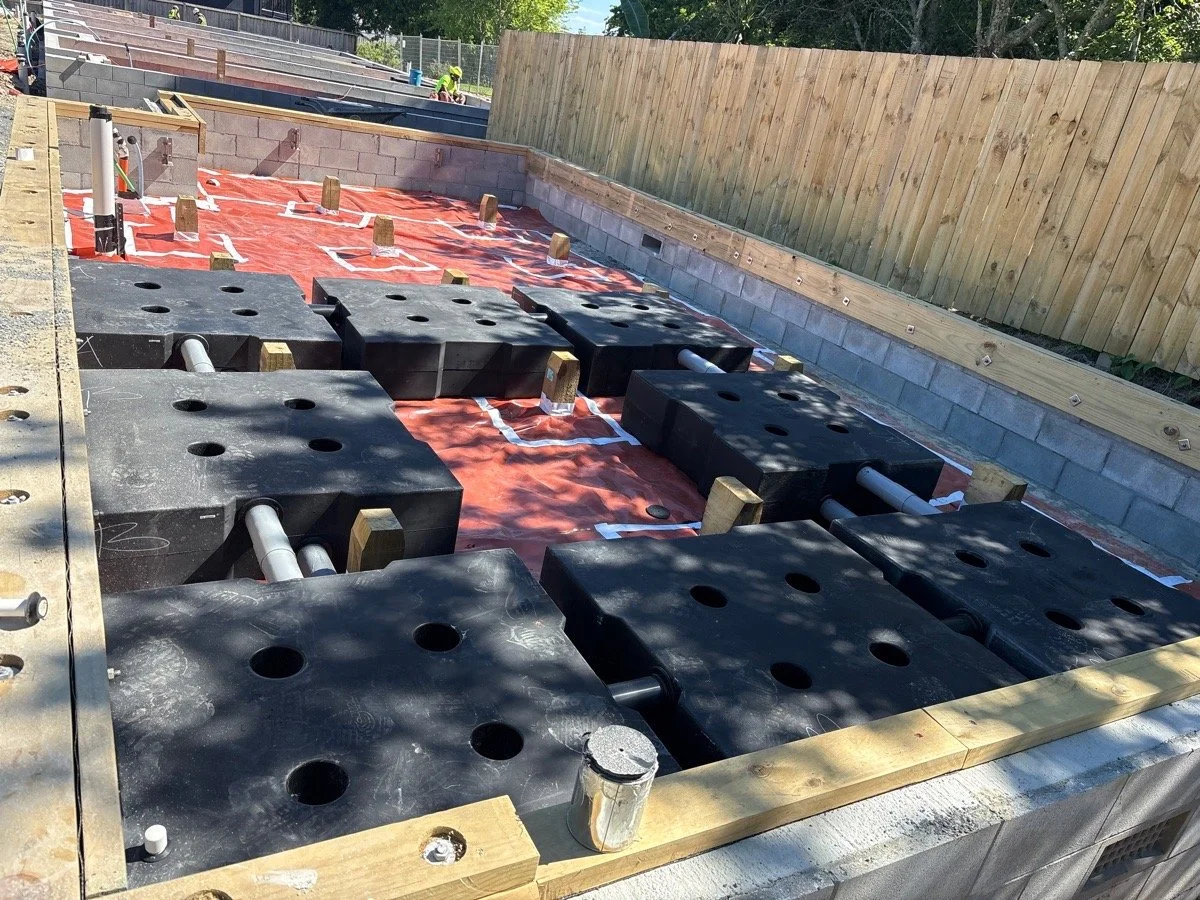
Summer Water Resilience: Smart Detention & Reuse in NZ
Plan smart water detention and rainwater reuse systems for NZ summer. Compare tanks, Aquacomb, lead times, capacities, and council compliance.

Tell Us About Your Project
From conceptualising to constructing, we’re ready to design your architectural dream. We promise a client-centric approach that empowers ideas, eases concerns, and delivers quality craftsmanship we’ll all be proud of.