Watersmart Insights
Filter
Tag
- Aquacomb 22
- Education 10
- Events 3
- FenceTank 12
- FloodFree 26
- Floody 19
- Flowgen 1
- Hydraloop 13
- Hydraloop NZ 1
- Leaf Diverter 1
- Porous Lane 23
- RainStick 1
- SMAF requirements 1
- SlimCity 5
- WaterSAFE 2
- case study 14
- greywater recycling NZ 1
- greywater recycling developments NZ 1
- off grid living NZ water 1
- off grid water NZ 1
- off grid water systems NZ 1
- permeable driveway consent 1
- permeable pavement NZ 1
- permeable paving NZ 1
- porous paving driveway 1
- rainwater self sufficiency NZ 1
- reduce mains water reliance 1
- reduce mains water use NZ 1
- stormwater runoff NZ 1
- sustainable development water NZ 1
- water independence NZ 1
- water reuse commercial NZ 1
Fast-track Development Still Needs Infrastructure Certainty
Fast-track approval may help a development move through consenting sooner, but it does not resolve how the infrastructure needed to service it will be funded or delivered. We look at the Government’s proposed changes and what councils and project teams should establish early to create greater certainty.
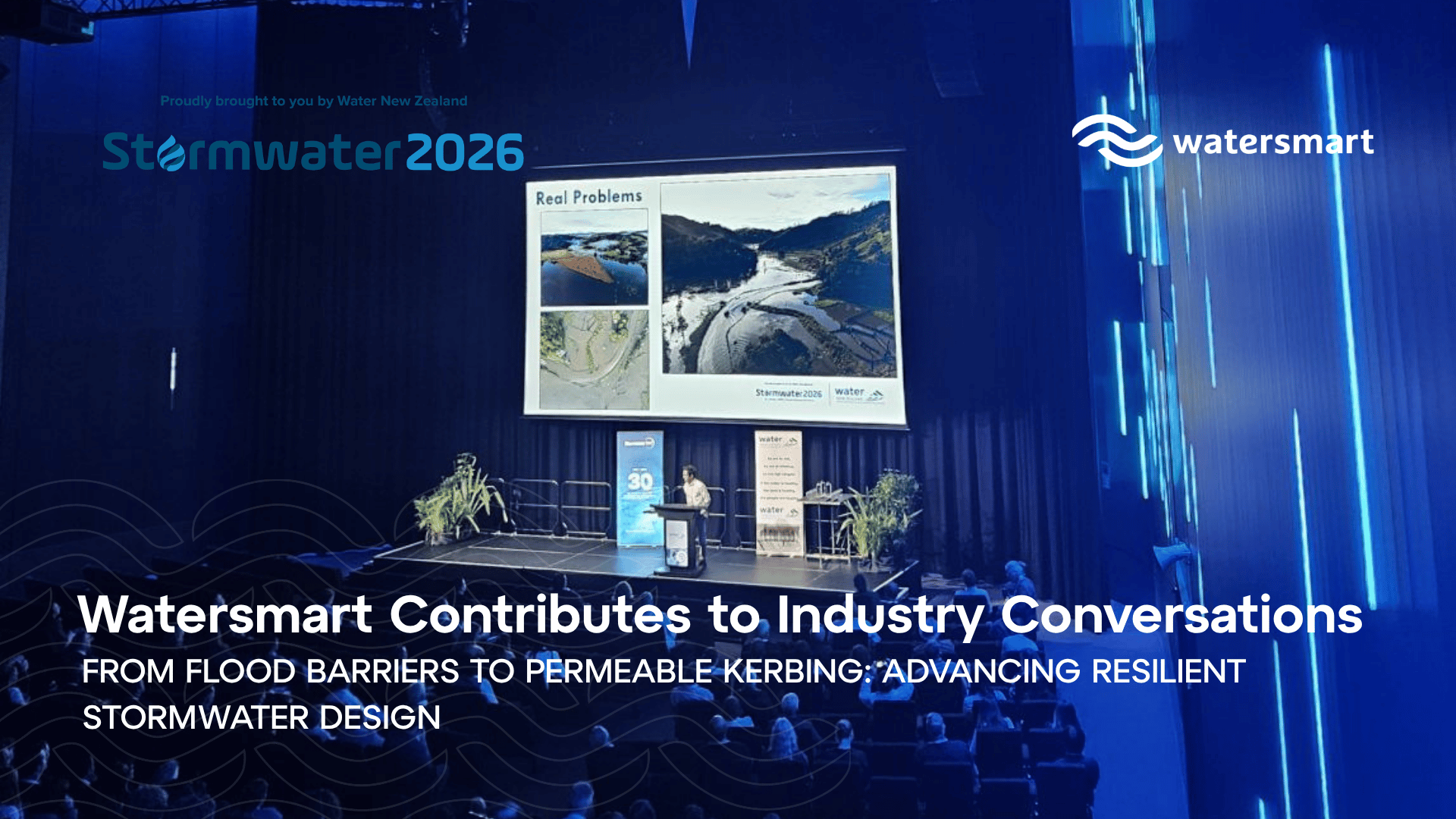
Watersmart Contributes to Industry Conversations at the 2026 Stormwater Conference
The 2026 Stormwater Conference brought together councils, engineers, consultants, contractors, and industry leaders from across New Zealand and Australia to tackle one of the sector’s biggest challenges: how we build more resilient communities in the face of increasing climate and infrastructure pressure.
This year, the Watersmart team was proud to contribute not only through our exhibition presence, but also through two technical presentations that explored practical, real-world approaches to stormwater resilience, flood mitigation, and distributed water management.
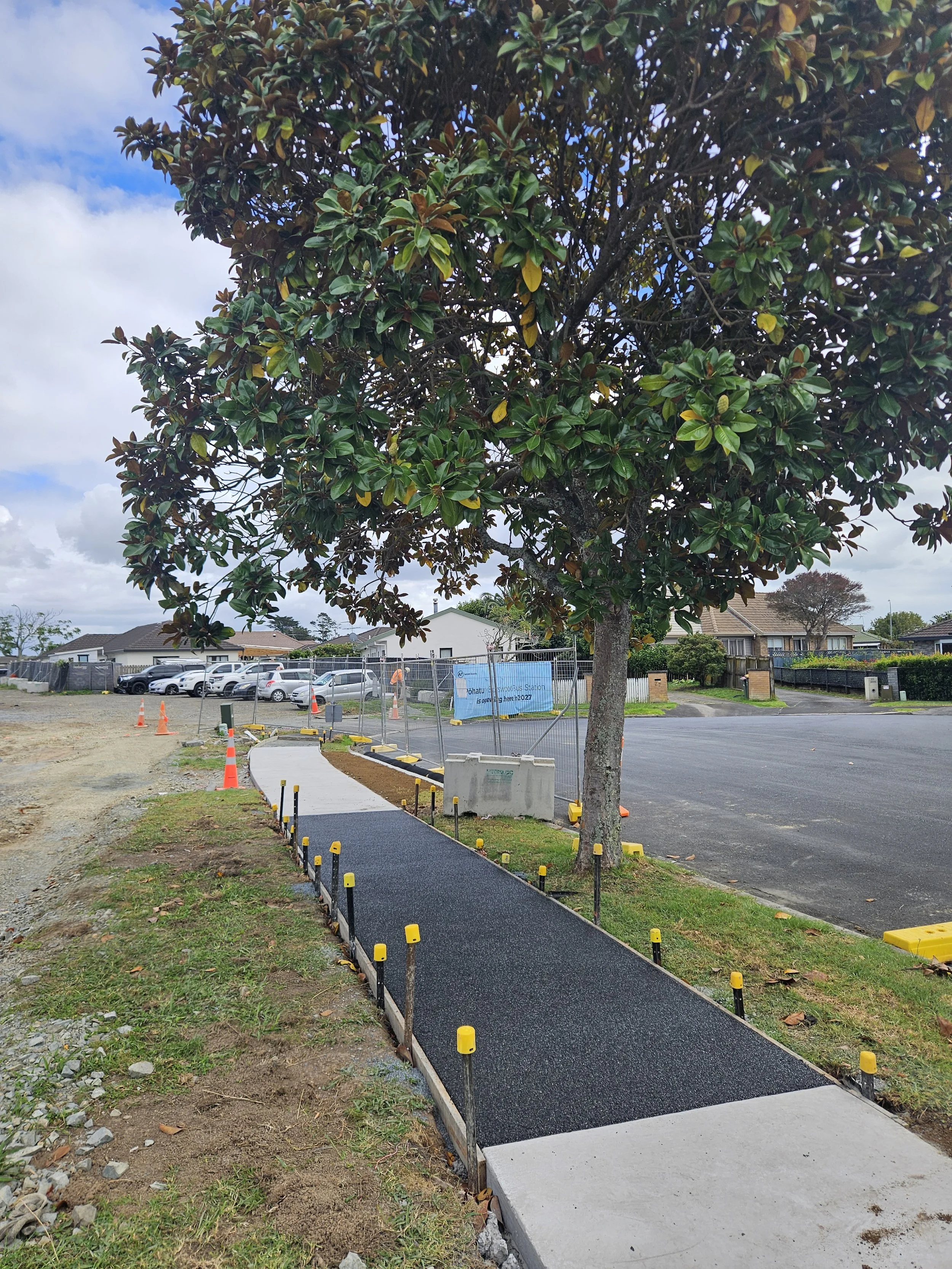
Porous Lane Case Study: Auckland Transport – Eastern Busway Project
Read more about how Auckland Transport used prous lane to create resilient and future proofing footpaths for the Eastern Busway Project.
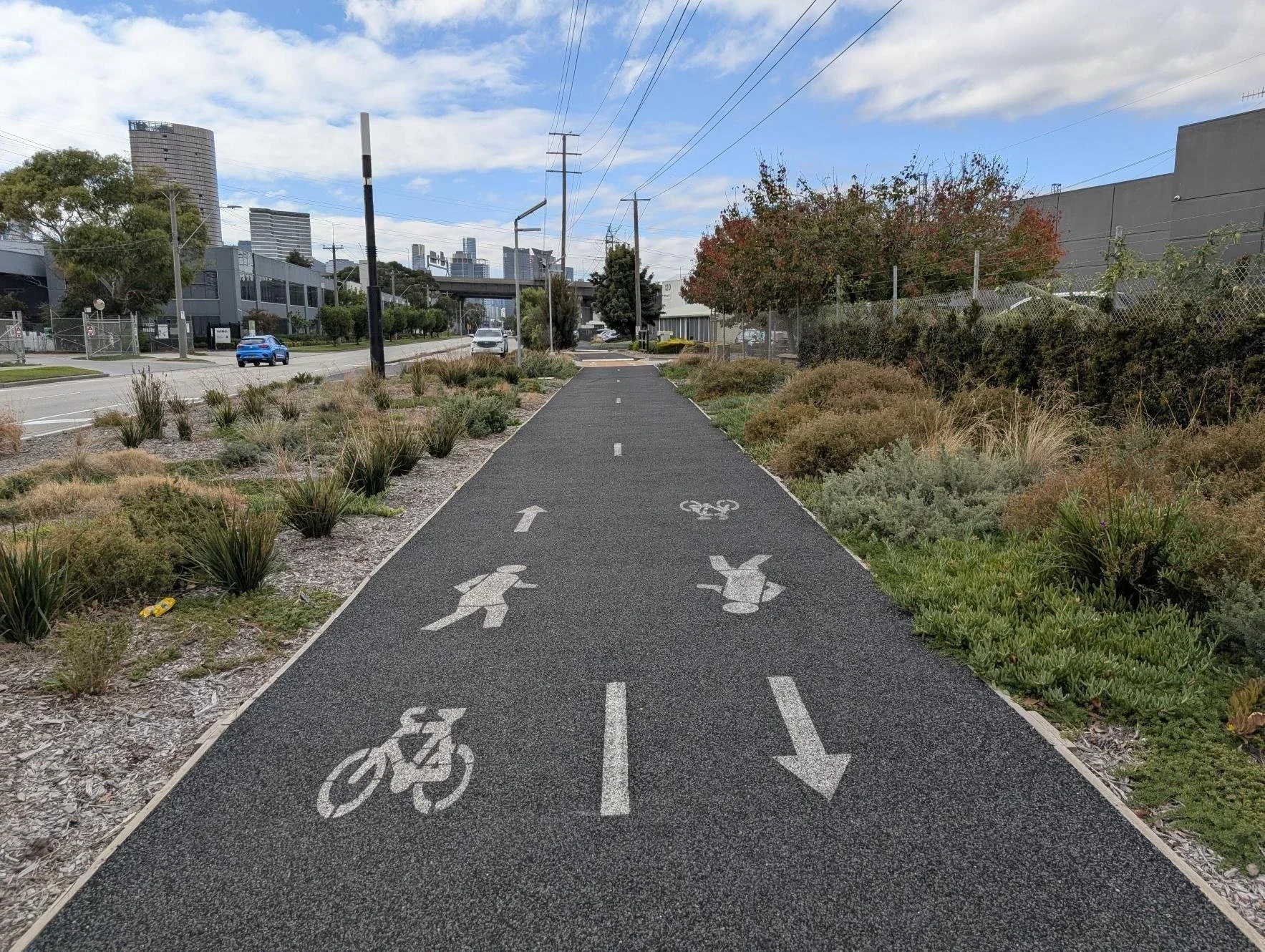
Sponge Cities: Building Urban Resilience Without Slowing Growth
Around the world, leading cities are adopting a more integrated approach: designing urban environments to behave like sponges — absorbing, storing, filtering and gradually releasing rainwater rather than immediately channelling it away.
Watersmart Wrapped 2025: Thriving Through Smarter Water Solutions
Explore Watersmart’s 2025 highlights, from award winning stormwater innovation and water recycling to flood protection, smart water monitoring, and community impact across New Zealand.

Building a Home for Sustainable Innovation
Building a Home for Sustainable Innovation
Our new Water Innovation Hub was designed to be much more than a showroom. We wanted it to feel like the home of innovation in Aotearoa, a place where people can see what the future of sustainable construction looks like. That meant showcasing not only our own water solutions, but also the work of other leaders in recycled, low carbon, and circular building products.
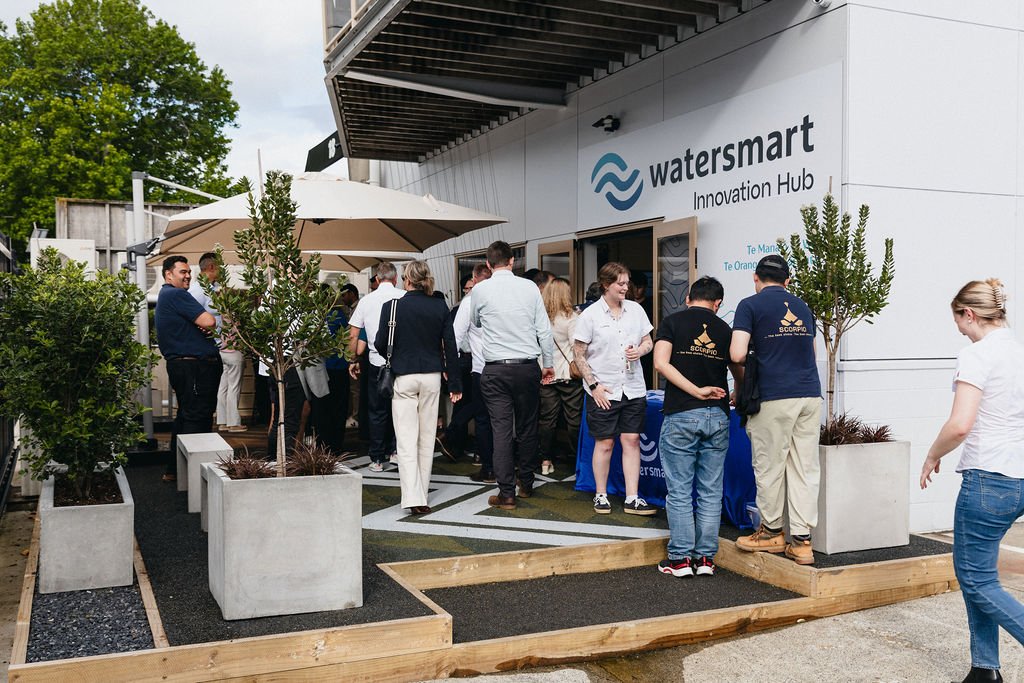
Celebrating the opening of our new Water Innovation Hub
Celebrating the grand opening of our Watersmart Innovation Hub

Porous Lane Delivers Sustainable, Low-Impact Surfacing for Te Whare Pora at Auckland Botanic Garden in Manurewa
Te Whare Pora, a significant cultural and community space, required a landscape design that expressed sustainability, honoured local heritage, and created a warm, accessible environment for all visitors.
Early discussions between the designer and Mana Whenua highlighted a preference for natural, non-traditional surfacing materials; something that would complement the whenua and minimise environmental impact. This direction created an opportunity to introduce Porous Lane, a permeable pavement made from up to 60% recycled tyres, as a naturally visual, durable, and low-impact alternative.

New Zealand’s First Porous Lane Residential Parking Bay
New Zealand’s First Porous Lane Parking Bay – Te Atatū
Watersmart has completed New Zealand’s first Porous Lane parking bay in Te Atatū — a milestone in sustainable stormwater design. Installed on a steep residential site, the 55m² Porous Lane Traffic Mix in Grey provides a strong, low-maintenance, and highly permeable surface that blends seamlessly with the existing driveway. The result: improved drainage, reduced runoff, and performance exceeding international permeability standards.

WaterSmart Delivers NZ's First Porous Lane Footpath - Homes Hamilton
Watersmart has delivered New Zealand’s first Porous Lane footpath at the Jack’s Landing subdivision for Golden Homes Hamilton. In partnership with Siteworks Limited, 207m² of this innovative permeable pavement was installed, recycling thousands of tyres while easing pressure on stormwater systems.
Developed by the University of Melbourne and introduced to New Zealand by Watersmart in May 2025, Porous Lane is a durable, sustainable alternative to traditional concrete. The success at Jack’s Landing marks a major milestone for greener urban infrastructure in Aotearoa.

Watersmart Wins Stormwater Innovation Award 2025
Watersmart Wins Prestigious National Innovation Award for Stormwater Solution Porous Lane

NZ Govt Revamps Infrastructure Funding to Boost Housing
The New Zealand government has announced a comprehensive overhaul of infrastructure funding mechanisms to bolster housing development. This initiative, part of the “Going for Housing Growth” strategy, seeks to address critical challenges in land supply, infrastructure, and growth incentives.

Auckland Drought Alert March 2025
Auckland’s Rainfall Brings Temporary Relief, but Drought Concerns Persist

Addressing Infrastructure Challenges in New Zealand
New Zealand’s urban development is increasingly constrained by aging and overburdened infrastructure. Developers often face high costs, shared investment

FloodFree Barriers Protect Auckland's Pump Station
To prevent a repeat of such damage, Watercare sought a reliable and durable flood protection solution. Enter Watersmart, New Zealand’s agent for FloodFree
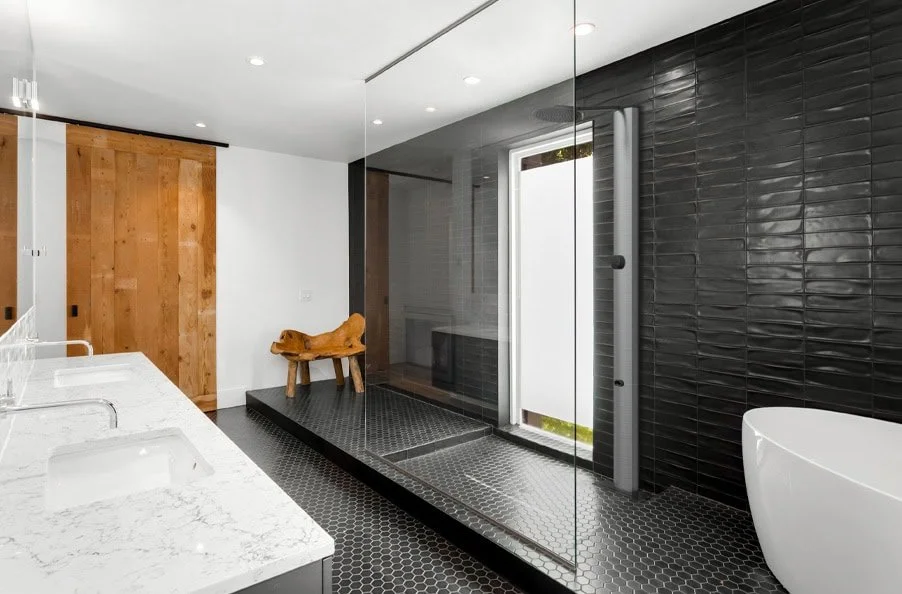
Seeking NZ Community Groups for RainStick Shower Pilot
New Zealand chosen to run the international pilot programme!

World Water Week
Next week is World Water Week, held since 1991 in Stockholm. Find out how Watersmart contributes to the theme this year.

PMG Funds Building Water Efficiency with Watersmart
Leading New Zealand commercial property fund manager, PMG Funds, has engaged Watersmart to support its drive to improve and reduce the company’s water

Upcoming Event – Unconventional Disruptors at Corenet Symposium
As New Zealand faces increasing climate extremes, the importance of future-proofing buildings against water and energy challenges is more urgent than ever. At

Tell Us About Your Project
From conceptualising to constructing, we’re ready to design your architectural dream. We promise a client-centric approach that empowers ideas, eases concerns, and delivers quality craftsmanship we’ll all be proud of.