How to reduce heat island effects caused by El Niño
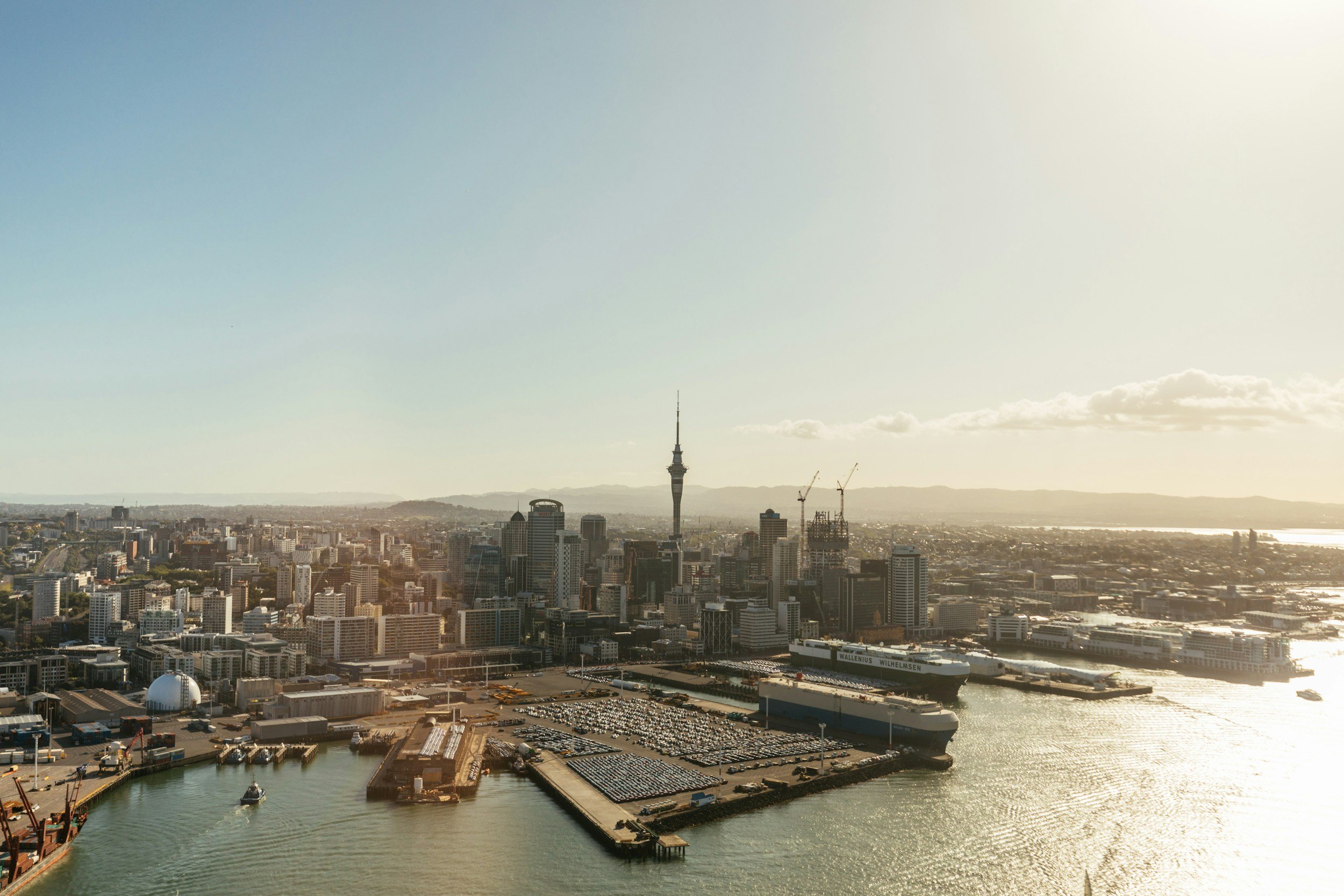
During El Niño summers, built environments absorb and store thermal energy during the day and radiate it back out at night.
Standard impermeable surfaces such as traditional asphalt, poured concrete, and tightly sealed paving exacerbate this phenomenon.
Dark, solid surfaces act as thermal sponges, storing massive amounts of atmospheric heat. Because rain cannot penetrate sealed concrete or asphalt, urban soil dries out. Without moisture in the ground, cities lose the natural cooling effect provided by evapotranspiration.
Dry El Niño conditions reduce the moisture available to street trees and green spaces even further, causing foliage to wilt and diminished natural shade cover.
How permeable paving mitigates heat & improves climate resilience
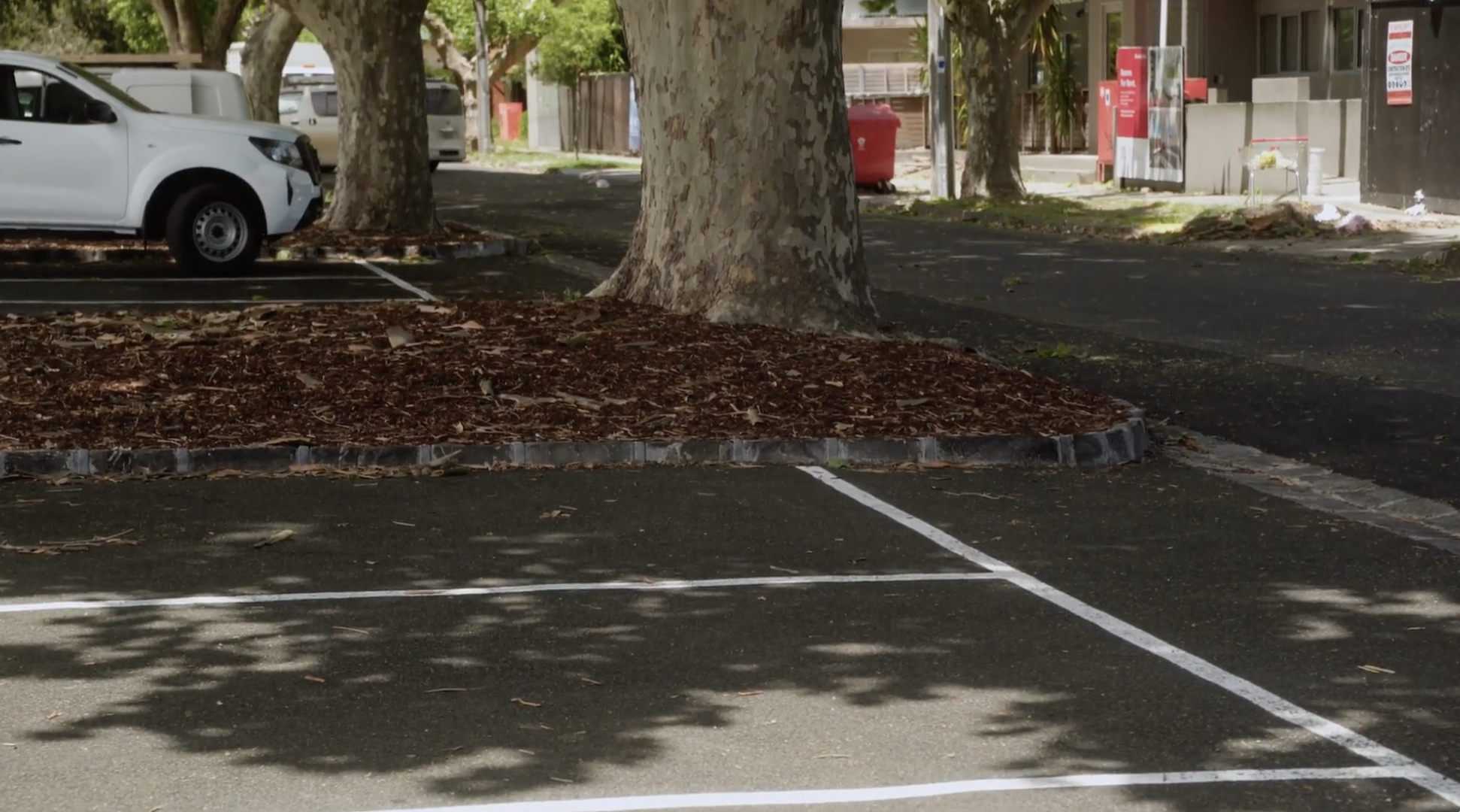
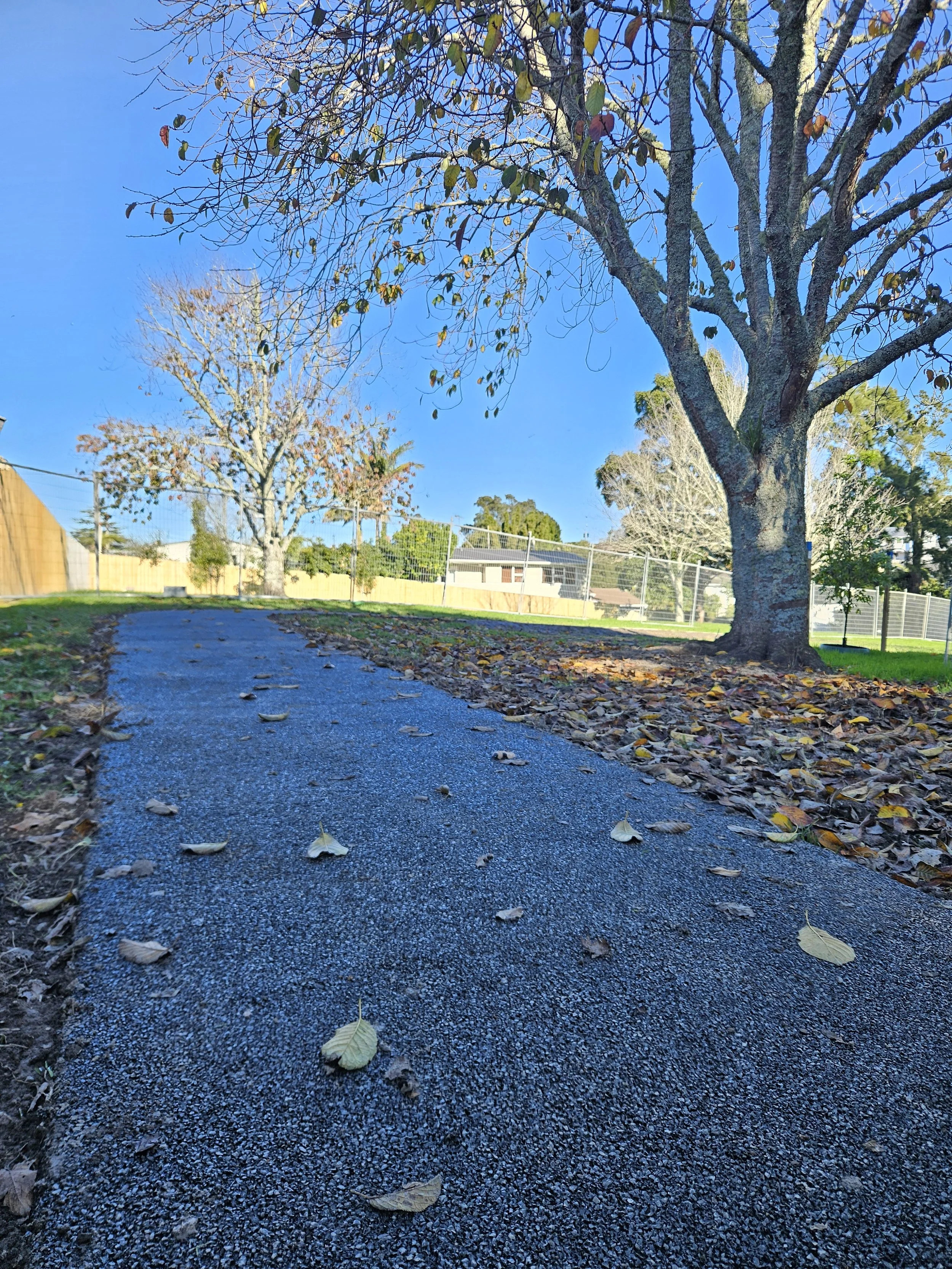
Permeable paving replaces impermeable surfaces with porous materials such as Porous Lane, which uses recycled tyre rubber.
These systems allow air and water to freely move through the surface into the underlying soil matrix, offering crucial benefits during dry, hot El Niño cycles.
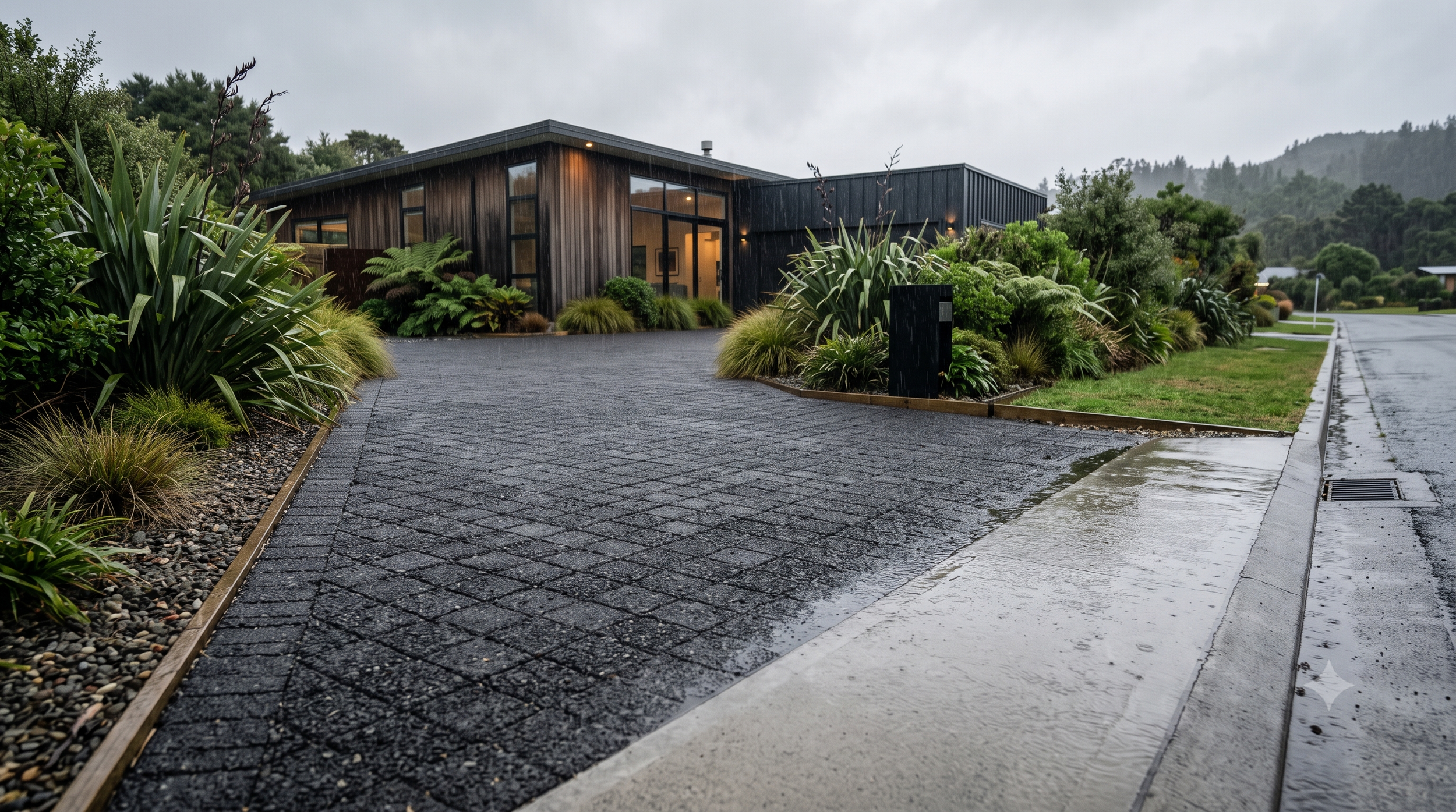
When sudden summer downpours hit, permeable paving absorbs water directly into the subgrade rather than shunting it straight into stormwater drains. As ground temperatures rise afterward, stored subsurface water evaporates upward through the porous gaps, providing a natural air-conditioning effect for the immediate surrounding atmosphere.
Surface heat storage is also lowered due to its composition being filled with light aggregates. This reflects more light and holds significantly less heat energy than dense, continuous asphalt.
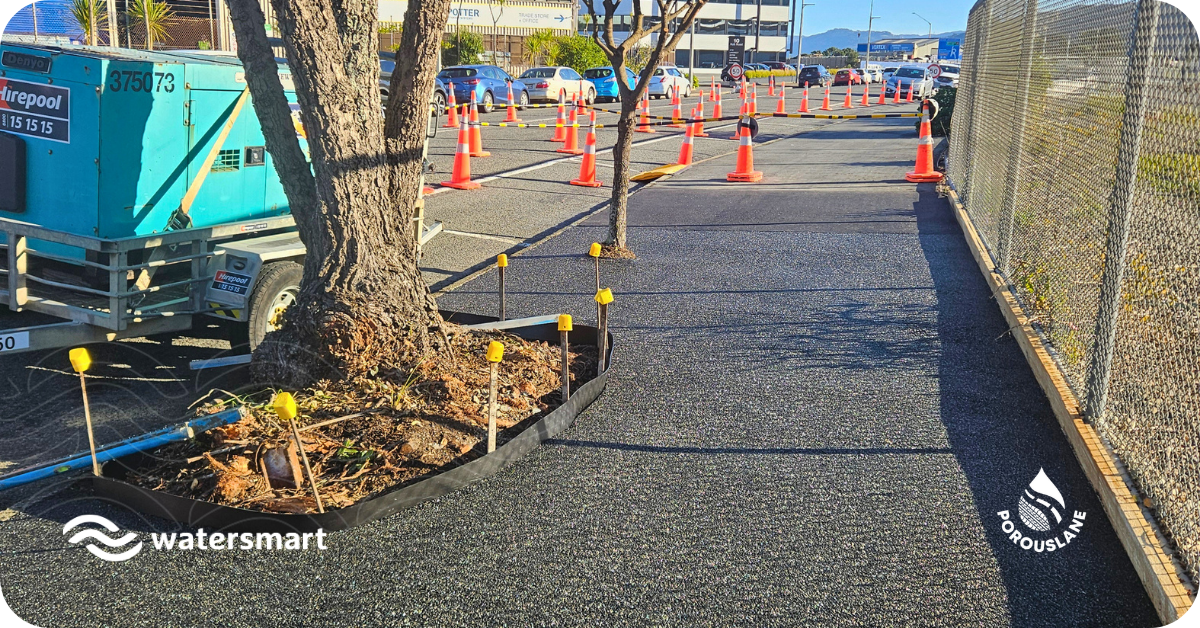
Permeable surfaces recharge local groundwater and route rainfall directly toward nearby tree root zones. Keeping urban street trees hydrated during extended El Niño droughts preserves the green canopy needed to shade sidewalks and buildings.
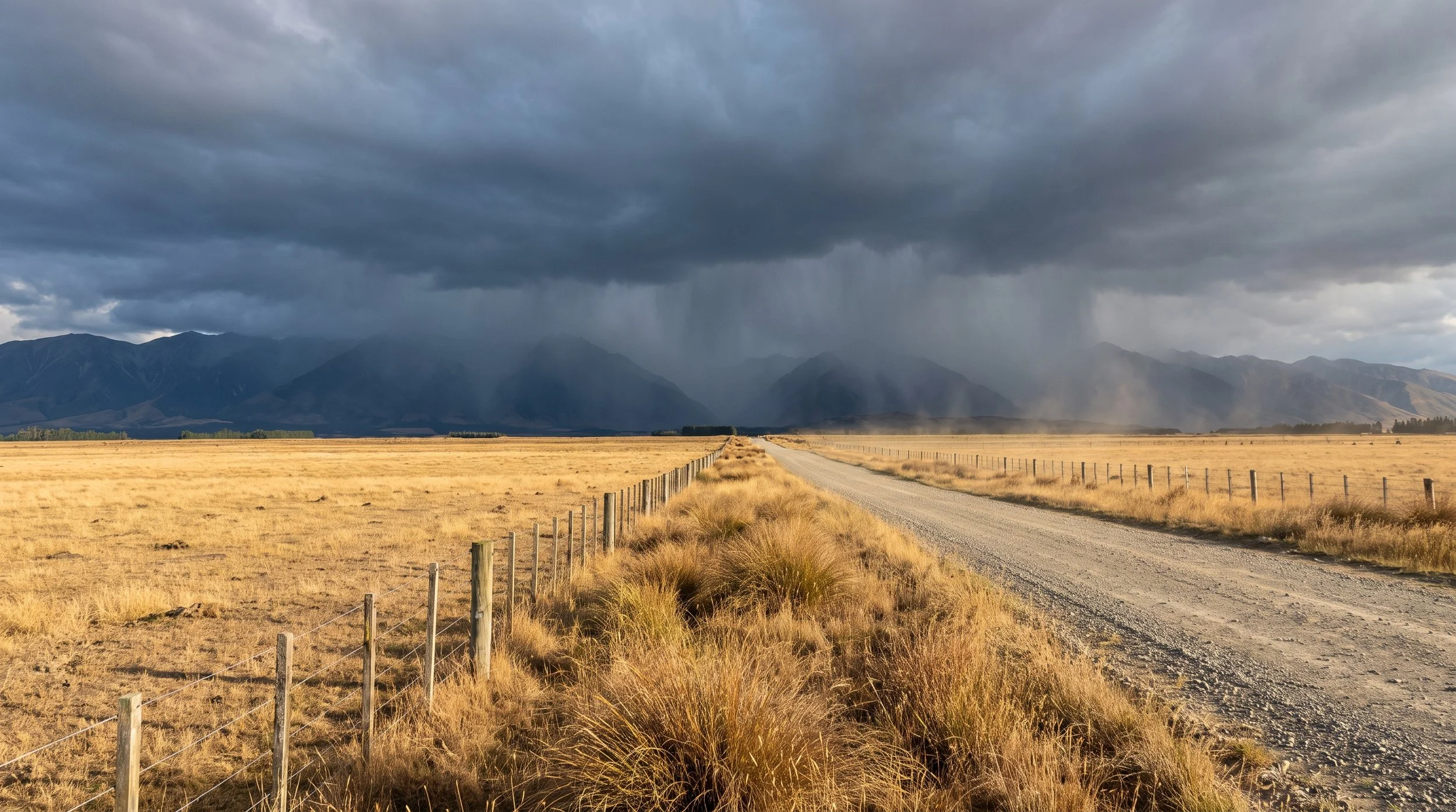
While El Niño brings dry weather to eastern regions, it can trigger intense, isolated convective storms. Permeable paving reduces surface runoff and prevents flash flooding, protecting urban infrastructure when heavy rain falls on sun-baked ground.
Integrating permeable surfaces into city footpaths, driveways, and public areas therefore offers a practical, nature-aligned strategy to lower urban temperatures, protect vegetation, and build climate resilience across New Zealand's towns and cities.
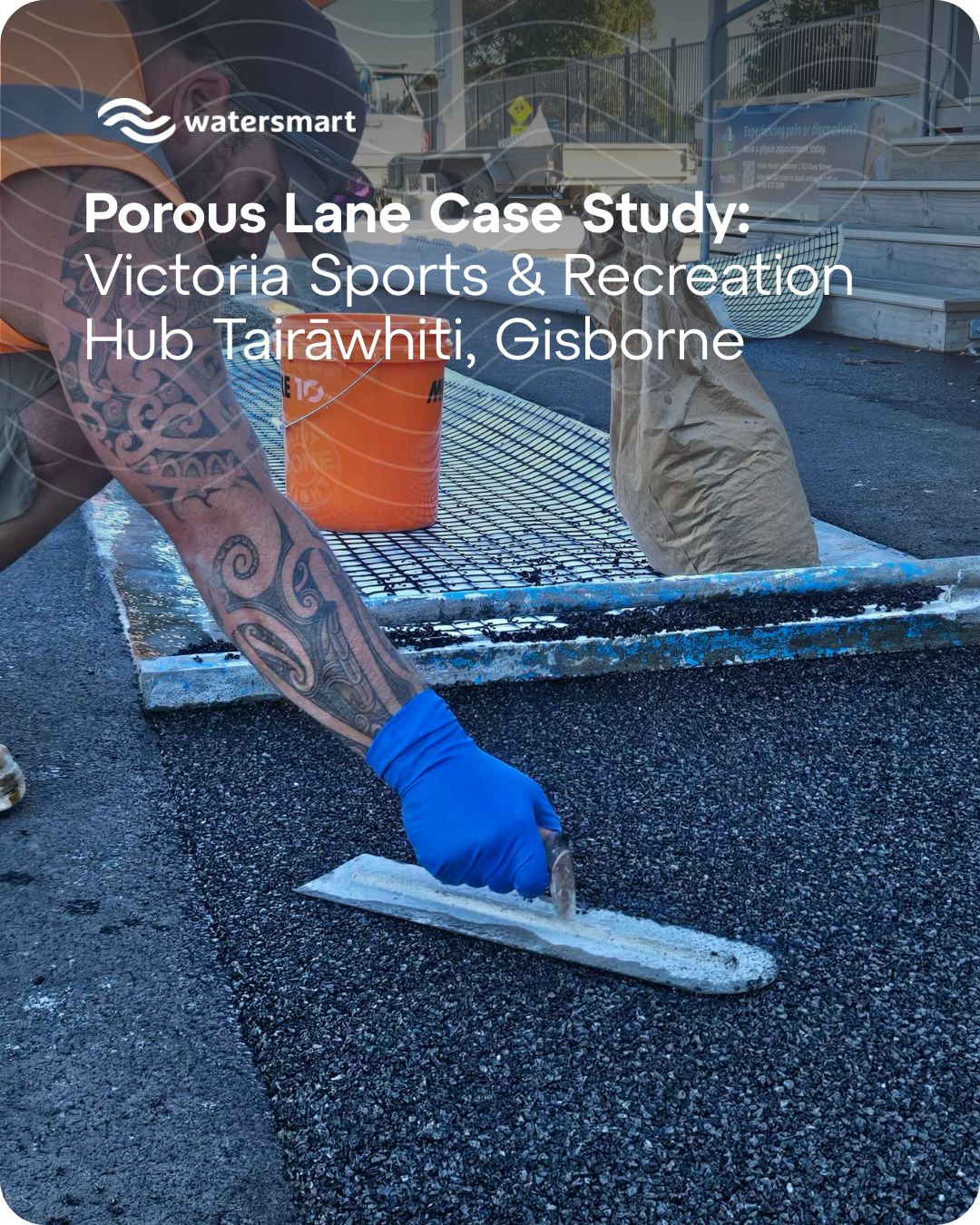
Check out the latest news on Porous Lane below: